Patient and Wound Assessment

Patient and Wound Assessment

Learn more about patient and wound assessments and why they are an essential component of the wound care process at Innovative Wound Care Specialists.
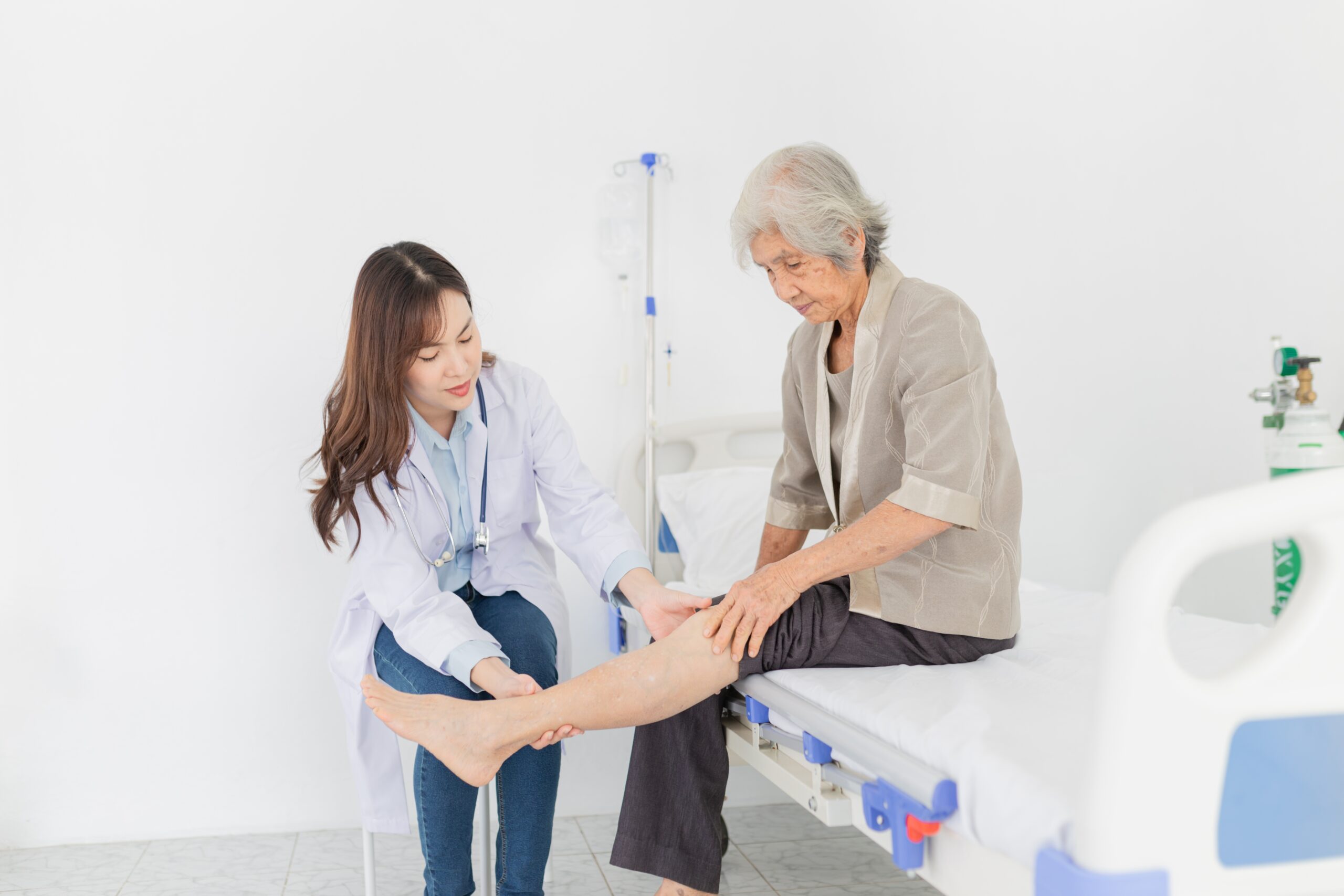
A Patient and Wound Assessment is a complete analysis of the individual and the wound to understand all factors that may influence healing. The patient and wound assessment goes beyond examining the wound alone and considers the patient’s overall health, medical history, and lifestyle to create a complete evaluation.

Importance of a Patient and Wound Assessment

Wound healing is affected by many factors, including chronic conditions, circulation, medications, and daily habits. A thorough assessment helps reduce complications and ensures care is targeted and effective.

How a Patient and Wound Assessment Guides Treatment

At Innovative Wound Care Specialists, a Patient and Wound Assessment includes a detailed review of the patient’s medical history, existing conditions, lifestyle factors, and relevant diagnostic tests. The wound is carefully evaluated for size, depth, tissue type, drainage, and signs of infection. This assessment allows our specialists to develop a personalized treatment plan.

Learn More About Patient and Wound Assessment

A Patient and Wound Assessment at Innovative Wound Care Specialists includes a thorough review of the patient’s health history and a detailed examination of the wound. This approach ensures that both local and systemic factors impacting healing are identified and managed appropriately. Our wound care specialists evaluate:

  • Medical History and Current Health Conditions: Chronic illnesses such as diabetes, heart disease, and autoimmune disorders can significantly affect wound healing.

  • Medications and Previous Treatments: Certain medications can affect healing. We also assess what treatments have already been attempted and their effectiveness.

  • Circulation and Blood Flow: Adequate blood flow is essential for delivering oxygen and nutrients needed for tissue repair. Poor circulation is a common cause of non-healing wounds.

  • Nutritional Status and Hydration: Proper nutrition and hydration support tissue regeneration, immune function, and energy levels required for healing.

  • Immune System Function: A weakened immune system can increase the risk of infection, cause inflammation, and slow healing.

  • Lifestyle Factors: Mobility level, smoking, activity patterns, and daily routines are evaluated to identify behaviors that may impact healing.

  • Wound Size, Depth, Type, and Stage: Accurate measurement and classification help determine severity and guide treatment options.

  • Diagnostic Tests or Imaging: Tests such as blood work, vascular studies, or imaging may be ordered to better understand underlying causes.

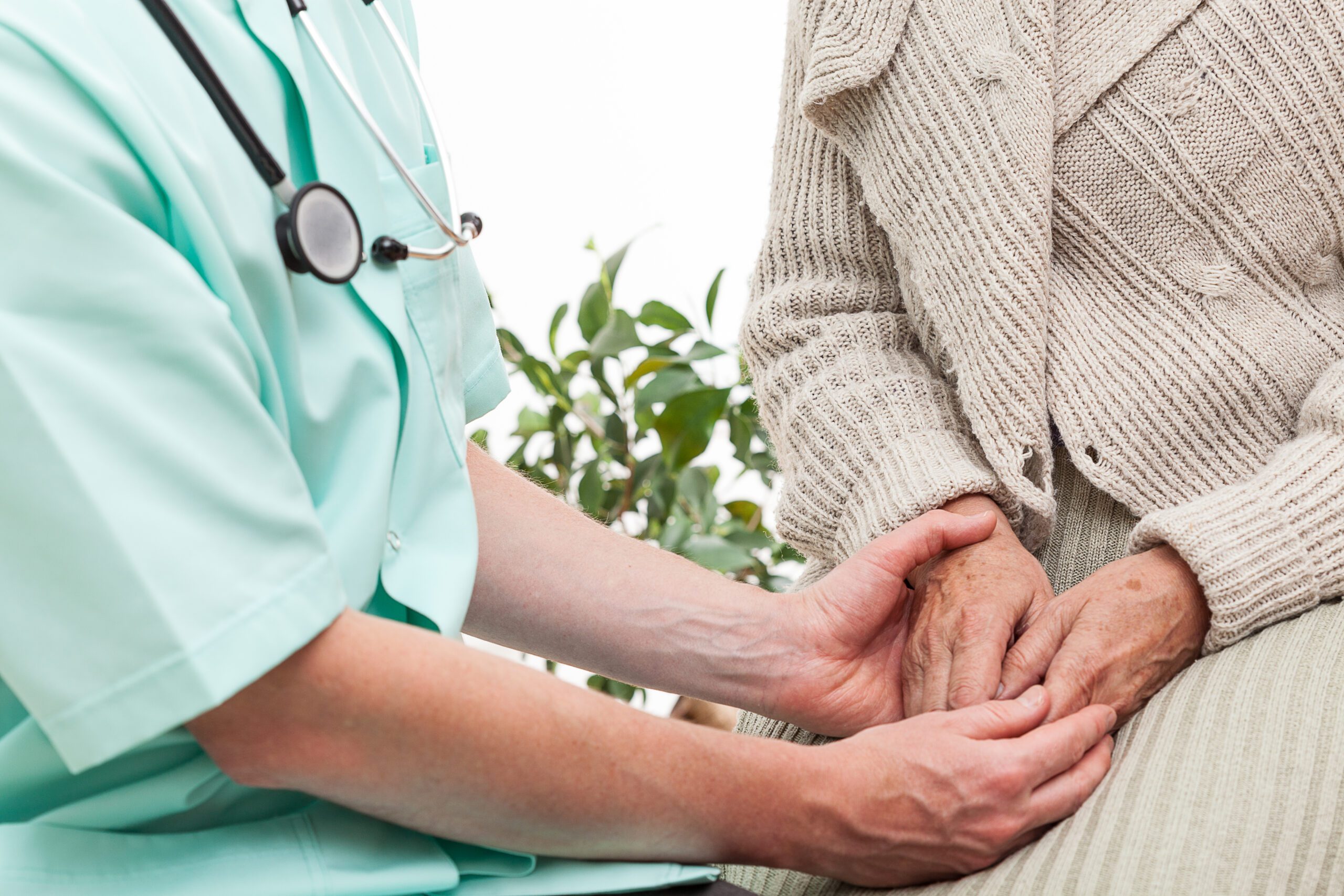
Female doctor treating elderly patient

The patient and wound assessment is an easy process designed to assess the patient and their wound and develop the best possible treatment plan for the individual. When you come in for your patient and wound assessment, our specialists will guide you through the process and what to expect.

Step-by-Step:

  1. Initial Consultation and Medical History Review
  2. Physical Examination and Vital Signs
  3. Wound Measurement and Documentation
  4. Circulation and Blood Flow Assessment
  5. Pain Evaluation
  6. Diagnostic Testing
  7. Treatment Planning and Education
  • Diabetes: Poor circulation and impaired blood flow can slow healing and increase the risk of infection.

  • Vascular Disease: Restricted blood flow limits the delivery of oxygen and nutrients to the wound site.

  • Nutritional Status: Inadequate protein, vitamins, and minerals can impair tissue repair.

  • Immune Function: A weakened immune system can delay healing and increase susceptibility to infection.

At Innovative Wound Care, we understand the importance of personalized, comprehensive treatment. Our team of specialists recognizes how wounds can significantly affect your daily life, limiting mobility and causing ongoing discomfort. Our team works together across wound care, vascular health, and infection management to fully evaluate each patient’s needs and develop a personalized plan that supports healing and improves overall well-being.

We assess and treat a wide range of wounds, including:

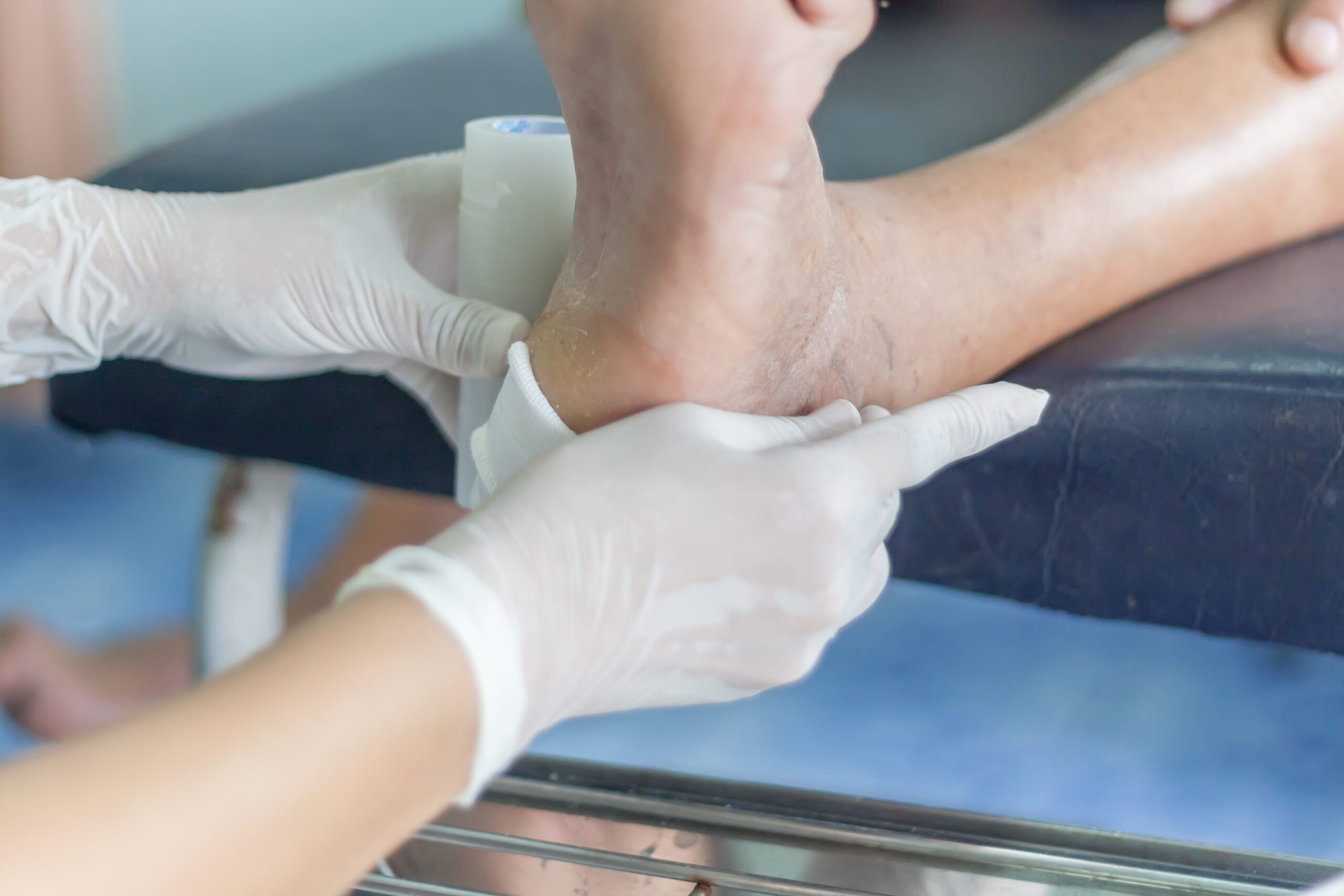
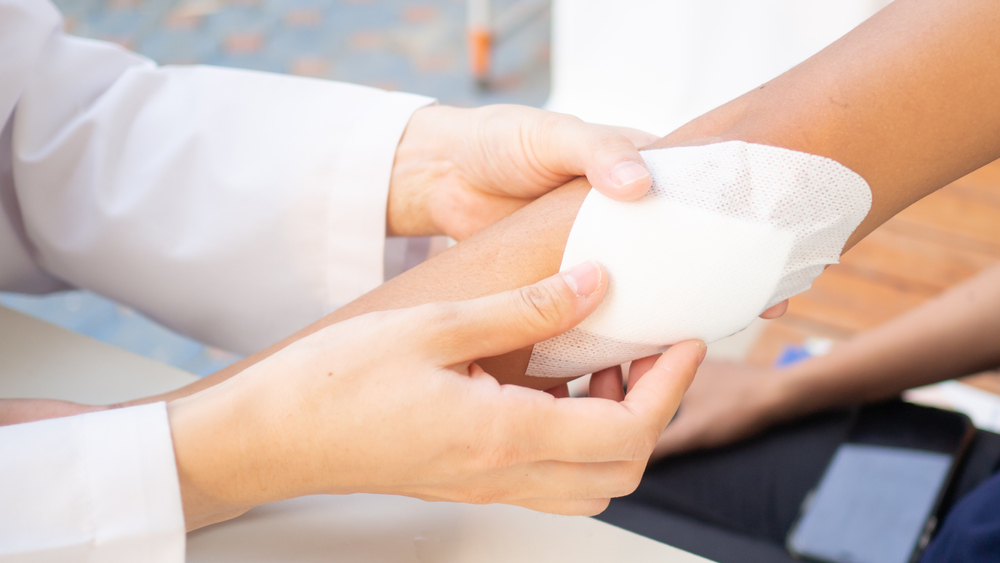
Doctor Applying Bandage to patient's foot.

Patient and Wound Assessments help to:

  • Personalize Treatment Plans: Understand the patient’s health status and wound characteristics to develop targeted treatment plans based on specific needs.
  • Identify Complications Early: Identify factors that may delay healing and intervene early.
  • Improve Healing Outcomes: Address underlying conditions alongside wound care to promote faster, more effective healing.

If an assessment is not conducted, then it raises the concern of:

  • ​Infection: Bacteria can enter the skin through breaks or abrasions, causing inflammation, pus, warmth, redness, and odor.
  • ​Chronic Pain: When wounds are not properly addressed, pain can increase, and quality of life can decrease.
  • Delayed Healing: When factors such as medical conditions, poor circulation, or infections are not addressed before treatment, they can lead to skin damage.

Do I Need a Patient and Wound Assessment?

You should consider professional wound evaluation if:

  • You have had the wound for over a month.

  • The wound has not decreased in size during this time.

  • If the wound becomes infected.

  • If the wound is draining fluid or has a foul odor

  • If you are experiencing a fever

  • If the wound has an increase in swelling or redness

If you have a wound that concerns you, a professional assessment is essential. Our experienced wound care team is dedicated to identifying the root cause of your wound and providing you with effective treatment.

Contact Innovative Wound Care Specialists at (810) 600-2030 or info@innovativewoundspecialists.com to schedule your consultation and begin your healing journey today.

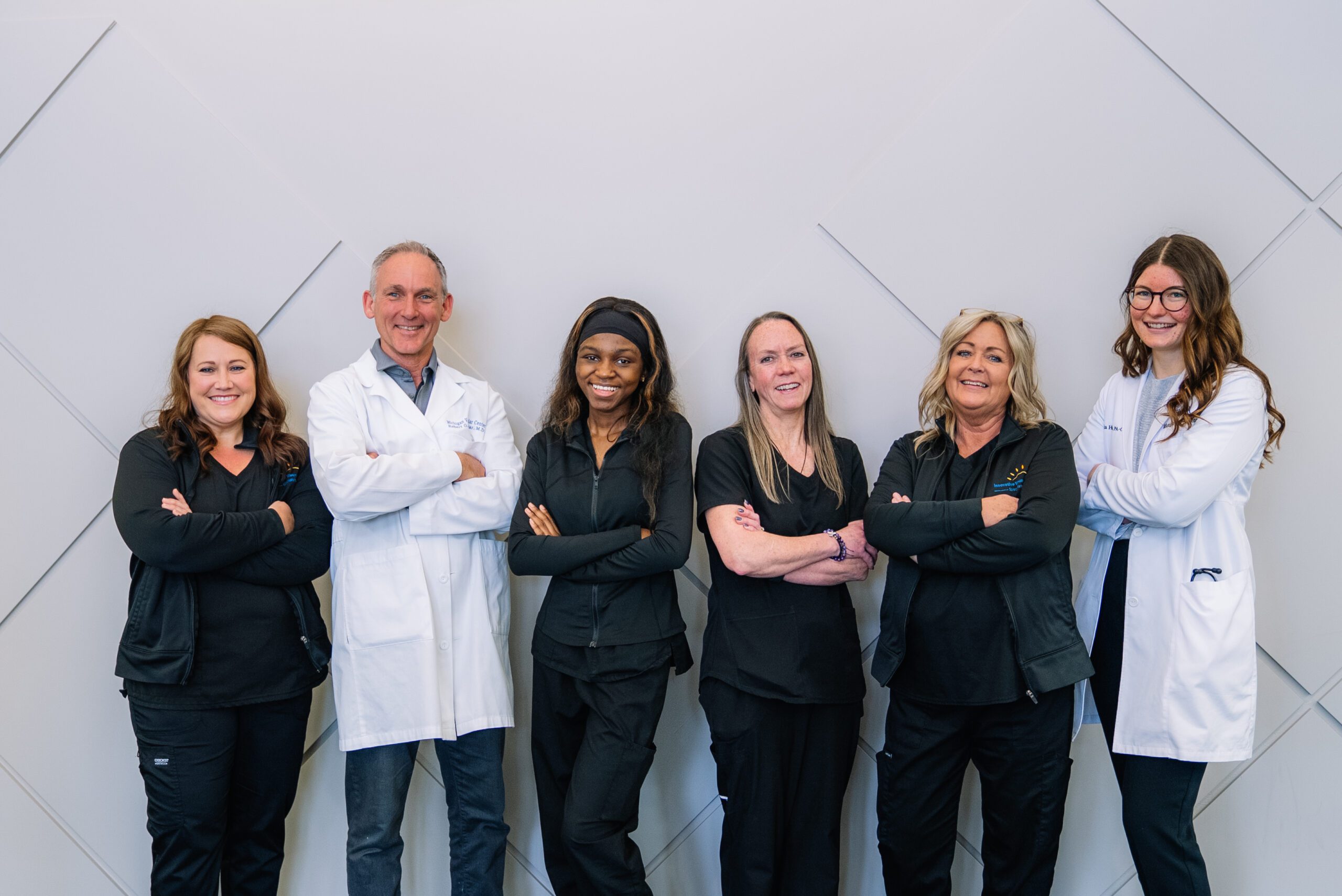
group photo of wound management specialists at innovative wound specialists in flint michigan

Patient and Wound Assessment FAQ

 Why is Patient and Wound Assessment Important?

Wounds often fail to heal due to conditions beyond the wound itself. A thorough assessment enables us to address the root cause, leading to lasting healing.

What happens during a Patient and Wound Assessment?

During your visit, a wound care specialist will review your medical history, medications, and lifestyle factors. They will examine the wound’s size, depth, location, and condition, assess blood flow and signs of infection, and may order diagnostic tests if needed.

Is Patient and Wound Assessment Painful?

Most assessments are not painful. Some mild discomfort may occur if the wound is sensitive, but our team makes sure to keep you as comfortable as possible.

Can I Do Anything at Home to Help My Wound Heal Faster?

Yes, following our care instructions, maintaining good nutrition, staying hydrated, and avoiding activities that may strain the wound can contribute to faster healing. Our team will provide personalized advice based on your specific situation.