Trauma Wounds

Trauma Wound

Find the advanced trauma wound care and specialized therapy you need with the compassionate experts at Innovative Wound Care Specialists.

Trauma wounds are from an instant, unexpected, and external force such as a cut, puncture, burn or blunt impact. Wounds of this type can be the result from accidents, violence, surgery, or other traumatic events to the body. Wounds of this type are also known as extensive wounds, and do require treatment ranging from cleaning and dressing to a more in-depth surgical treatment. Trauma wounds can leave scars, yet proper treatment of trauma wounds can help with healing and reduce scarring. Additionally, these wounds vary in severity from minor scrapes to life-threatening injuries. If you are unsure what type of wound you have or whether it requires professional care, take our wound self-assessment quiz for guidance.

Learn More About Trauma Wound Care

Most trauma wounds come from sudden injuries that create serious cuts, punctures or abrasions to skin such as:

  • Car Accidents
  • Falls
  • Physical assault or attacks
  • Gun shot wounds
  • Sport related accidents
  • Machinery accidents
  • Animal attacks or bites
  • Burns from heat, electricity or chemicals

Upon evaluation, your physician will categorize your trauma wound into one of five categories. The five types of trauma wounds are:

  • Abrasions: Abrasion trauma wounds occur when the skin is scratched or scraped against a rough surface, causing the top layer of skin to fall off. These types of wounds can be caused by falls on rough surfaces, such as pavement, or by friction burns. Unlike minor burns, healing from friction burns and other abrasion wounds can take up to two weeks and, depending on the severity, may or may not cause scarring.

  • Lacerations: When there is blunt force trauma to the skin, creating a deep cut or tear in the skin, this is considered a traumatic laceration. Lacerations can occur from falls or accidents; more specifically, lacerations can happen from falling on a rough surface or an accident involving heavy machinery. Depending on the severity and depth of a laceration, it can take anywhere from a few weeks to years for these wounds to heal, with scarring.

  • Punctures: Puncture wounds are known as wounds resulting from sharp or pointed objects piercing the skin creating a small, deep hole in the skin. Wounds of this kind are at a higher risk of infection and higher risk of damage to nerves and organs. Punctures can happen in a variety of ways, from stepping on a nail, animal bites, and needle pricks. A puncture trauma wound can heal within 7 to 10 days and can leave a scar.

  • Bites: Bites are considered trauma wounds when animal or human teeth make contact with the skin, resulting in skin breakage. Bites can result in either a laceration or puncture, depending on the severity or depth of the wound. These wounds can take up to 1 week to several months to heal and typically leave scarring.

  • Avulsions: Avulsion trauma wounds happen when skin or underlying tissue is completely torn or ripped from the body creating a large, open wound. Trauma wounds of this could be caused by car accidents, sport accidents, and animal bites. If an avulsion is minor, it may heal within a few weeks, while more serious avulsions can take months to heal, usually leaving a scar.

There are clear indications of trauma wounds to be aware of if there has been a sudden and external force to the body. Symptoms and signs of trauma wounds at the injury site include:

  • Pain: The area will likely hurt immediately after the impact occurs. This discomfort can feel like a sharp sting or a dull, heavy ache. The soreness usually gets worse if the spot is touched or moved.
  • Swelling: The injured area will often puff up, look enlarged, or feel tight. This happens because the body naturally reacts to the impact by pushing extra fluid to the site. The puffiness can make it difficult or uncomfortable to move normally.
  • Bleeding: Depending on the force, the skin might break and bleed externally, or it might stay intact and form a dark bruise underneath. The flow of blood is the body’s immediate reaction to torn or damaged tissue. Severe or deep injuries may need pressure to help the bleeding stop.
  • Heat: The spot where you were hurt might feel surprisingly warm or hot to the touch compared to the rest of your skin. This extra warmth is a very common sign that your body is actively working on the injury. It usually fades as the area begins to calm down.

Reducing your risk of injury is a vital component of trauma wound care, and taking proactive measures at home can protect both you and your family. Implementing these simple safety precautions in your daily routine can significantly lower the likelihood of sustaining a serious trauma wound:

  • Wear Protective Gear: Always use appropriate safety equipment when operating power tools, lawnmowers, or heavy machinery.
  • Protect Your Hands and Eyes: Wear durable work gloves and safety goggles whenever you are handling sharp objects, glass, or construction materials.
  • Clear Your Environment: Keep your primary living and working areas free of tripping hazards, clutter, and exposed sharp edges.
  • Play Safely: Practice caution and wear the recommended protective padding or helmets during physical activities, outdoor recreation, and sports.
  • Improve Visibility: Ensure proper lighting in hallways, stairwells, and workspaces to avoid accidental slips, falls, and impact injuries.
Healthcare,,Geriatric,Medicine,,Medical,Check,Up.,Senior,Man,Visiting,Doctor

Certain traumatic incidents resulting in injury which warrant a professional wound care include:

  • Car Accident

  • Sports Injury

  • Physical Assault

  • Workplace Accident

  • Animal Attack

Seeking medical treatment following a traumatic accident is crucial to prevent complications or infections that can arise from these types of wounds. 

Additionally, if a trauma wound presents any signs of infection, then this would warrant a visit to a medical provider immediately.  Signs of infection in a trauma wound to monitor for can include:

  • Increased Pain

  • Fever

  • Present fluid, pus or drainage from wound
  • Blisters and Sores
  • Odor
  • Redness Spreading

Following a traumatic injury to the body, it is vital to seek medical assistance as soon as possible. A medical provider will be able to evaluate the trauma wound, and see what treatment is needed to ensure overall healing. Here is how a medical provider will evaluate a trauma wound:

  • Check for any immediate life-threatening injuries impacting airway, breathing or circulation
  • Ask questions regarding how the injury occurred to have better context for how to eventually treat the injury
  • Assess the stage, shape, and size of the wound
  • Check for signs of infection at wound site
  • Assess pain level
  • Check for any foreign objects logged in the wound
  • Diagnosis further through the use of imaging, such as X-rays, CT scans, or ultrasound
  • Create proper treatment plan for wound
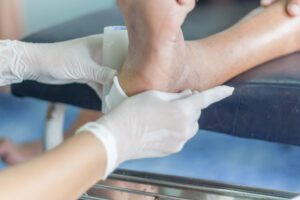
Doctor Applying Bandage to patient's foot.

Treatment for trauma wounds is crucial to prevent infection, decrease internal complications, and provide the chance for optimal healing. At Innovative Wound Care, we take treatment for trauma wounds seriously by offering top-tier quality care such as:

HBOT: Also known as Hyperbaric Oxygen Therapy, this treatment works by a patient being placed inside a pressurized chamber, while breathing in 100% oxygen. Breathing in this amount of oxygen provides additional oxygen to the bloodstream which then provides quicker healing and recovery to the trauma wound(s).
NPWT: Negative Pressure Wound Therapy is performed through a vacuum’s suction to reduce fluid build up and bacteria, increasing recovery and healing time.
Debridement: If a foreign object is lodged in a wound, or if the wound has infected or necrotic tissue then debridement is performed on the trauma wound.
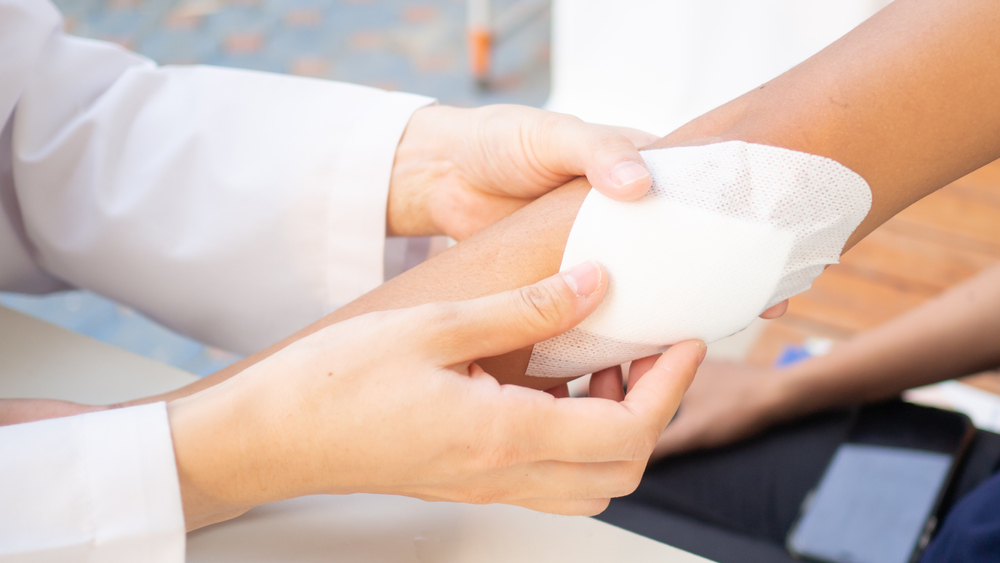
Compression Dressings: Compression dressings help control bleeding and pressure, and can be used to support additional healing to trauma wounds.
Advanced Wound Dressings: In case of severe draining trauma wounds, advanced wound dressings can be applied to aid in the healing process.

An advanced wound physician with Innovative Wound Care will be able to assess and determine which treatment option is right for you.

A doctor taking a man's blood pressure

Consult your healthcare provider to determine the therapy for your trauma wound(s).

To begin your healing journey at a qualified facility with a professional wound specialist—or simply learn more about trauma wound therapy, reach out to our team at Innovative Wound Care Specialists. We’re here to help.

Contact us by phone (810) 600-2030 or email info@innovativewoundspecialists.com and our friendly staff will assist you every step of the way. Don’t wait any longer to finding trauma wound care.

Trauma Wounds FAQs

How Do I Know if I Have a Trauma Wound?

A trauma wound (such as a cut, laceration, or puncture) occurs when an injury damages the skin and underlying tissues. You can identify a trauma wound by these key physical signs:

  • Visible Skin Damage: An obvious break, scrape, tear, or opening in the skin.
  • Active Bleeding: Immediate or oozing blood flow at the injury site.
  • Pain and Swelling: Localized tenderness, throbbing, or puffiness around the wound.
  • Discoloration: Rapid bruising or redness developing near the injured area.

Can a Trauma Wound Turn Into a Non-Healing Wound?

If a trauma wound is not properly healed or treated, then it can turn into a non-healing wound. Non-healing wounds, also known as chronic wounds, occur when a wound lacks proper blood circulation, is often infected, and is subject to repeated injury.

When Should I Seek Medical Attention for a Trauma Wound?

While minor injuries can often be treated at home, you should seek immediate professional medical care or go to an urgent care clinic if your trauma wound exhibits any of the following signs:

  • Uncontrolled Bleeding: The wound continues to bleed even after 5 to 10 minutes of firm, direct pressure.
  • Deep Tissue Exposure: The cut or laceration is deep enough to expose fat, muscle, bone, or tendons.
  • Nerve or Functional Damage: You experience numbness, a “pins and needles” tingling sensation, or difficulty moving the affected area.
  • High Risk of Tetanus/Infection: The injury was caused by a dirty or rusty object or by a deep puncture wound (such as stepping on a nail). 

How Many Treatments are Needed to Heal a Trauma Wound?

The number of treatment sessions needed to properly heal a trauma wound will vary, depending on the type of wound and which treatment it requires. In some cases of trauma wounds, surgery may be also needed during the treatment process. Whereas minor cuts or tears may only require proper cleaning and dressing.

How Long Does it Take for a Trauma Wound to Heal?

The amount of time needed for a trauma wound to properly heal will depend on the severity and impact of the wound. For a general idea of a healing timeline of a trauma wound, it can take anywhere from a few weeks to a few months to fully heal.

Do Trauma Wounds Always Leave Scars?

Scarring from a trauma wound is not always guaranteed. A scar will only appear on the skin depending on how deep the wound was, if it was properly healed, and where on the body the wound was. 

Can I Treat a Trauma Wound at Home?

Major trauma wounds require immediate professional intervention. Do not attempt to treat severe skin or deep tissue damage yourself. Reach out to a healthcare professional or emergency services right away to get the care that you need.