Lower Extremity Edema
Lower Extremity Edema
Learn how you can benefit from our comprehensive treatment options in Flint, MI, and take the first step toward lasting comfort and improved circulation.
Lower extremity edema mainly happens from blood vessels leaking fluid, and/or too much fluid buildup, which causes excess swelling. This mainly occurs in the lower half of the body, such as the hips, thighs, knees, legs, ankles, and feet. While mild swelling can result from prolonged sitting or standing, severe or persistent fluid buildup is often a sign of an underlying medical condition requiring specialist care.
Anyone can suffer from lower extremity edema, however individuals who are pregnant or over the age of 65 may experience different cases of lower extremity edema. One main cause of lower extremity edema in individuals over 65 is from Chronic Venous Insufficiency (CVI) in which veins in the lower extremities are not functioning properly leading to excess fluid build up leading to swelling and other skin concerns like ulcers.
Pregnant women are at a greater chance of facing lower extremity edema, especially during later terms of pregnancy, simply from excess fluids in the body. This swelling is not only limited to lower extremities, but also the face and hands. However, any form of lower extremity edema in pregnant women should go away after delivery.
At Innovative Wound Care Specialists, we help relieve lower-extremity edema through an advanced, patient-first approach focused on restoring mobility and protecting skin integrity.
Start Treatment Today
There are both mild and severe causes of lower-extremity edema.
Causes of lower extremity edema include:
- Sitting or standing for too long leads to inactivity of the muscles, poor venous return, and swelling in the legs, feet, or ankles.
- Certain medications for blood pressure, heart conditions, mental health conditions, and hormone management conditions can impact circulation and swelling.
- Deep vein thrombosis, also known as DVT, can lead to prolonged immobility, which can result in blood clotting and severe tissue swelling if not monitored.
- Congestive heart failure impacts fluid retention, blood pressure, and systemic circulation, directly driving lower extremity swelling.
- Kidney disease or damage can lead to protein loss, fluid retention, and electrolyte imbalances that exacerbate lower-extremity edema.
- Liver damage can result in hypoalbuminemia, where fluid leaks to the surrounding tissue, leading to swelling.
- High intake of salty foods, such as processed meats, fast foods, or frozen meals, which promotes systemic fluid retention.
- Pregnancy creates hormone changes, pressure from the uterus, and fluid retention, which can result in swelling of the lower extremities.
- Premenstrual syndrome creates hormonal fluctuations in the body with increased blood flow leading to lower extremity edema.
- Lymphedema and lymphatic system dysfunction, where trapped lymphatic fluid causes localized, chronic tissue hardening and swelling.

Lower extremity edema can cause complications which include:
- Painful swelling and a heavy sensation in the legs or ankles
- Difficulty walking and restricted joint mobility
- Skin ulcer(s) or open, weeping sores
- Stiffness and swelling in the feet and calves
- Itching from stretched, shiny skin
- Decreased blood flow and skin browning (hemosiderin staining)
If lower extremity edema is severe enough to cause the complications as described above, it is crucial for the individual to seek medical treatment, to prevent further complications. Some additional signs to look for when experiencing lower extremity edema include:
- Pain or discomfort of the affected extremity
- Open wound, weeping fluid, or skin breakdown on affected extremity
- Shortness of breath or sudden chest discomfort
- Trouble walking or maintaining balance
- Swelling that fails to improve after overnight rest or leg elevation
- Skin discoloration, increased redness, or signs of localized infection
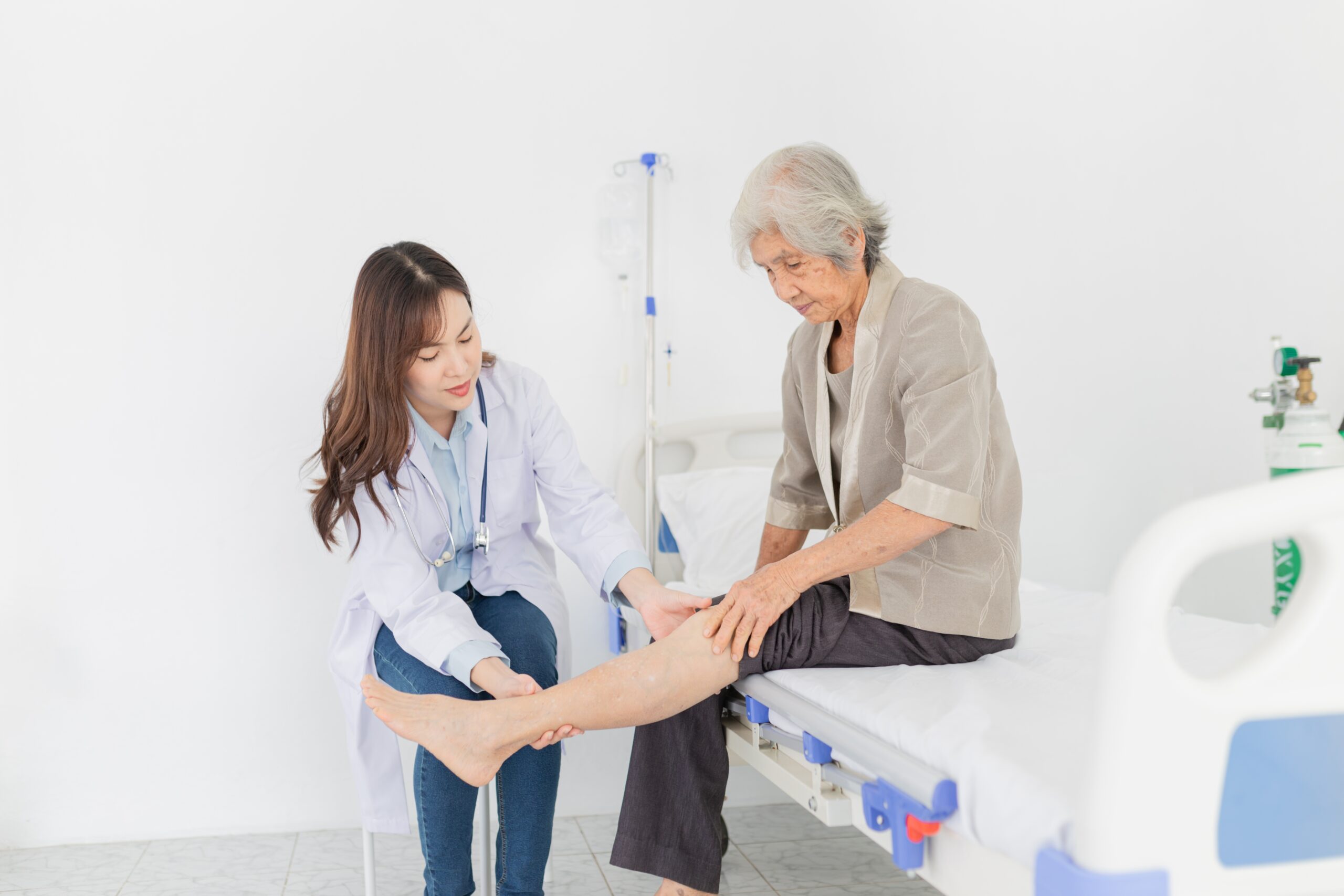
If you or a loved one is experiencing any of these warning signs, expert medical intervention is vital to protect your health and mobility. Contact Innovative Wound Care Specialists today, and we will connect you with one of our lower extremity edema specialists at our Flint, MI, office.
Some treatment plans your medical provider may provide you with for the prevention of lower extremity edema can be:
- Lifestyle change, such a diet or structured exercise routine
- Low salt and low sodium intake
- Use of compression socks or prescription medical compression garments
Treatment of mild lower extremity edema can be accomplished by elevating the leg, ankle, or foot for 30 minutes throughout the day. This can help to promote blood circulation and decrease swelling.
However, more severe cases of lower extremity edema require further attention from a skilled medical specialist. At our Flint, MI office, our dedicated lower extremity edema specialists offer the personalized care you need to find lasting relief.
One common treatment for lower-extremity edema is a multilayer compression dressing. This serves as a wrap for the affected extremity to reduce swelling, promote venous blood return, and accelerate healing if an ulcer is present on the swollen area.
Your provider will be able to determine which form of compression is needed and the level of tightness needed to promote optimal healing for the affected area.
Each lower extremity edema case is different as underlying medical conditions can cause swelling of the lower extremities. Again, your medical provider will be able to assess your condition and create an appropriate treatment plan.
When a provider determines that a compression dressing will be beneficial for a lower extremity edema case, the length of how long the dressing should be on will be determined by the provider. It is important to follow their guidelines as this will help to promote healing, reduction of swelling, and a decrease of infection if a wound is presented.
While you have a compression dressing for lower extremity edema, it is important to ensure the dressing stays dry at all times. When showering, you may cover the compression in a garbage bag or cast cover. Keeping a compression dressing on a lower extremity edema dry is crucial to prevent infection or delay in the healing process. Contact our Flint office immediately at (810) 600-2030 if you experience increased pain, toe numbness, or unusual discoloration under your dressing.
Chronic wounds and severe edema can cause patients to suffer and affect mobility. While most wounds heal quickly, chronic wounds may not heal or may take weeks to improve, and can cause severe problems if left untreated. When a wound refuses to heal, you need targeted medical intervention. Innovative Wound Care Specialists features a team of dedicated experts equipped with the latest clinical therapies to treat the root cause of your chronic issues.
What Does Wound Care Typically Include?
Compression Dressings & Advanced Wound Dressings – We offer a variety of innovative wound dressings, including those with antimicrobial properties, moisture control, and pressure-relief features to manage heavy fluid drainage.
Laboratory and Vascular Evaluation – Monitor the patient’s peripheral artery disease (PAD) and its effect on blood supply to injured tissues to ensure safe compression application.
Cellular or Tissue-Based Products – Utilizing bioengineered skin grafts and substitutes to promote faster healing and tissue regeneration on severe edema ulcers.
Wound Measurement and Photographs – Tracking wound progression and wound healing across every appointment.
- Hyperbaric Oxygen Therapy (HBOT) – Enhancing oxygen supply to the affected area to accelerate wound healing and combat infection.
- Surgical Procedures and Support – Assisting in wound closure, infection control, tissue removal or repair, promotion of granulation tissue, reducing tension on wounds, enhancing blood supply, and management of complications.
Negative Pressure Wound Therapy (NPWT) – Using controlled suction to remove excess exudate, reduce edema, and improve blood flow to the wound bed.
Prosthetic and Pressure Relief Assistance – To reduce pressure on ulcers and swollen limbs, we provide specialized footwear and custom orthotics, designed to redistribute weight and minimize friction.
Debridement – Removal of dead, damaged, or infected tissue by surgical or other medical means to improve the healing potential of the remaining healthy tissue.
If you are suffering from lower extremity edema and seeking relief or management, our team of professional wound specialists at Innovative Wound Care Specialists in Flint, MI, is ready to provide the care you deserve. You can connect with us online to request an appointment, and one of our skilled team members will be in touch with you.