
Compression Dressings
Compression Dressings
Discover advanced, non-invasive wound healing with compression dressings at Innovative Wound Care Specialists.
Compression dressings, also known as a clothed bandage wrap, is commonly used for wrapping a sprain, ulcer, and other specific wounds.
What are Compression Dressings For?
We use compression dressings, a bandage made up of elastic or cloth, for patients who may be experiencing the following:
- Venous Hypertension
Learn More About Compression Dressings
The purpose of this sort of compression dressing is to simply promote blood circulation and decrease swelling, which can be the result of ulcers and other wounds or strains. More specifically the benefits of compression dressings can also include:
Aid in healing ulcers by the dressing’s pressure helping to reduce swelling, improving circulation, and helping to heal through tissue repair.
Pregnancy related swelling is common and compression dressings can work to enhance circulation, help fluid build up, and help with any discomfort from swelling.
Pain relief brought on from swelling through support, stabilization, and improvement of circulation.
Pain management from swelling with support from dressings that work to support the tissue, circulation, and fluid of the affected area.
How Do Compression Dressings Help Wounds Heal?
Compression dressings ultimately help promote healing and optimal recovery for swelling-related issues, such as ulcers, pain, or post-surgery recovery, by applying steady pressure to the affected area. There are different types of compression dressings, such as advanced ones and ones with different levels of pressure, based on the condition.
Typically Compression Dressings are used for a patient who is recovering from any of the mentioned ulcer, wounds, or strains to aid in their healing and recovery. An individual who is suffering from Lymphedema may also need a compression dressing. Individuals who are suffering from injuries such as an ankle injury, may benefit from a compression dressing to aid in decreasing any swelling.
Since compression dressings are used to promote better blood circulation, and reduce swelling, an individual who is facing these ailments would most likely need a compression dressing(s).
However, typically a medical professional will evaluate your condition to see if you need compression dressings as part of your treatment. It’s vital to wear compression dressings only under the guidance and supervision of a healthcare provider.
If you believe you may need compression dressings, reach out to us at Innovative Wound Care Specialists for an evaluation.
Compression Dressing
- Primary Objective: Effective fluid management and control of swelling.
- Ideal Applications: Essential for treating chronic non-healing wounds, venous insufficiency ulcers, lymphedema, and swelling during post-surgical recovery.
- Mechanism of Action: Exerts precise, graduated resistance against the tissue to stimulate blood circulation and stop fluid from pooling in the limbs.
- Wear Time: Designed for extended use (ranging from several hours to multiple weeks), typically requiring daily adjustments or specialized compression garments.
Pressure Dressing
- Primary Objective: Immediate control of heavy bleeding and hemorrhaging.
- Ideal Applications: Deployed right after an acute injury to halt active bleeding, frequently layered directly over packed hemostatic gauze.
- Mechanism of Action: Delivers concentrated and firm force directly to the injury site to compress damaged blood vessels and accelerate the body’s natural clotting process.
- Wear Time: Strictly a temporary measure, intended for short-term use until bleeding is successfully contained or advanced emergency medical personnel take over.
A wound care team member will apply your compression dressing for you and answer any questions you have about the process.
The key steps of compression dressing applications include:
- Preparing the area for application
- Overlapping of the bandage
- Covering the wound completely
- Securing the bandage
Using a compression dressing will aid in healing ulcers and reduce swelling and pain. When using a compression dressing, the wound team at Innovative Wound Care will check circulation and inform you about maintenance.
Individuals will most likely know they will need a some form of a compression dressing from the following:
- Severe swelling from injury or wound, or from after a surgery
- Chronic wound
- Severe bleeding from injury or wound
- Ulcers such as venous ulcers
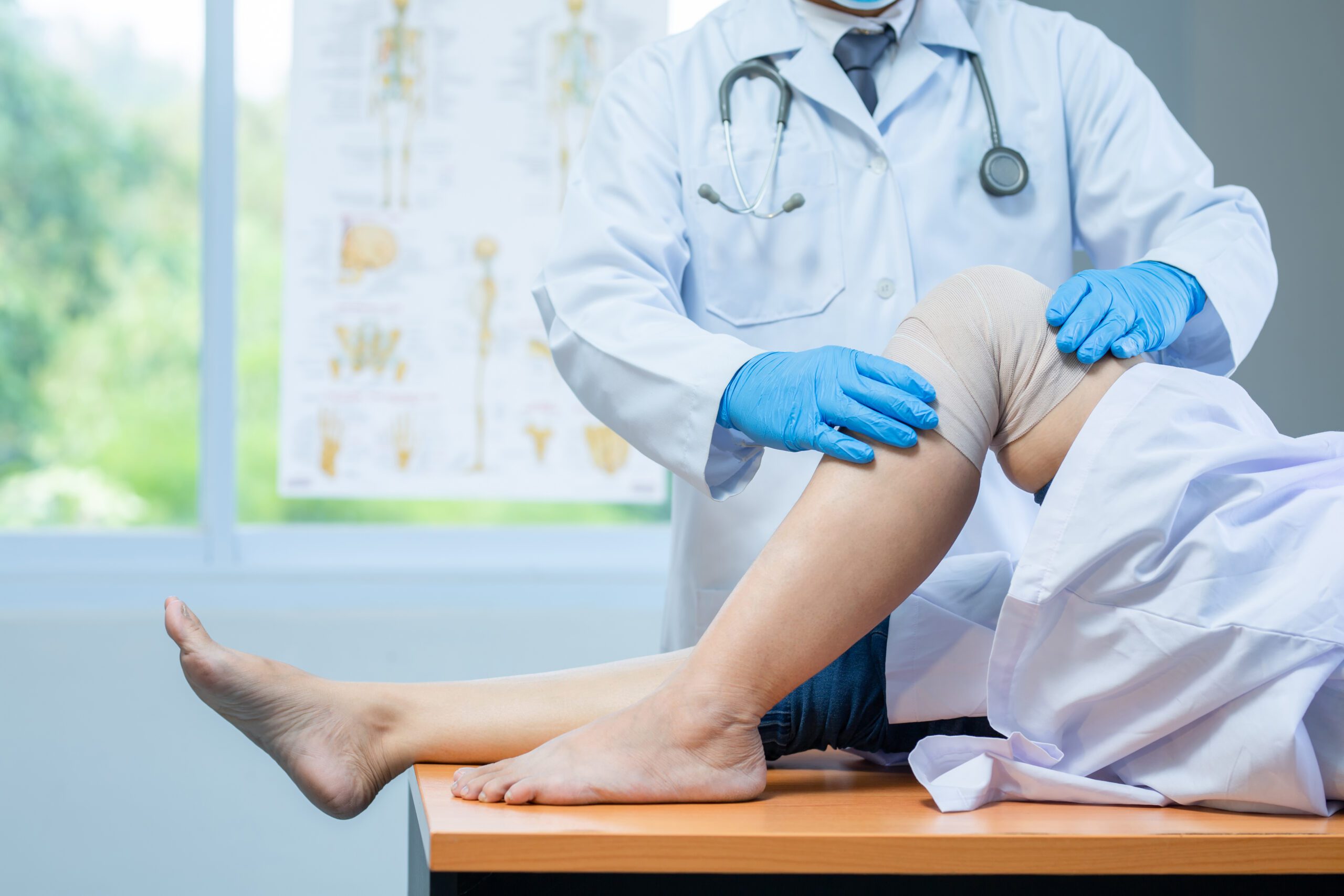
Compression dressings are a highly effective treatment for healing wounds, reducing swelling, and promoting venous circulation. However, if not worn properly, there are potential side effects that can occur. The potential side effects from compression dressings include:
- Skin irritation or skin breakdown after prolonged wear of a compression dressing
- Circulation issues if compression is wrapped too tightly, or swelling above or below the dressing, if the compression is not applied evenly
- Infection if dressing does not stay dry nor changed appropriately
- Allergic reactions from certain material dressings
- Pressure ulcers
- Discomfort or pain, if the dressing is too tight or applied incorrectly
Generally a compression dressing will stay wrapped on the affected area, dry, for 24 – 72 hours depending on the severity of the wound. For some individuals, they may keep a compression dressing on longer to provide any pain relief from the swelling. A skilled medical provider will be able to provide you with the appropriate time frame based on your needs, since some wounds have different levels of severity, meaning they will need a different amount of time to heal and keep a compression dressing on.
Consult your healthcare provider to determine if compression dressings are suitable for your condition.
To begin your healing journey at a qualified facility with a professional wound specialist—or simply learn more about wound debridement, reach out to our team at Innovative Wound Care Specialists. We’re here to help.
Contact us by phone (810) 600-2030 or email info@innovativewoundspecialists.com and our friendly staff will assist you every step of the way. Don’t wait any longer to explore the benefits of compression dressings—get started today!
Compression Dressings FAQ
A compression dressing works by wrapping an ulcer, wound, or strain in an elastic cloth. There are different levels of compression, and your provider will select the appropriate compression based on your wound. From here, this compression dressing will serve to promote blood circulation for the wound, and decrease swelling, all to promote a better recovery.
While both are essential wound therapies, pressure dressings are temporary, high-intensity measures designed to halt active bleeding immediately after an acute injury. Conversely, compression dressings provide long-term, graduated resistance to stimulate circulation and manage ongoing fluid buildup. Ultimately, pressure dressings focus on immediate hemorrhage control, whereas compression dressings support long-term healing and swelling management.
When applied properly to encourage blood flow, a compression dressing should feel quite snug, tight, and highly secure around the injured area. While you will feel a firm, continuous pressure designed to manage swelling, it should never feel painfully restrictive or cut off your circulation.
Patients who will most likely benefit from, or require, a compression dressing include patients recovering from any form of ulcer, such as an arterial or venous ulcer. In addition, patients who are recovering from a minor burn or trauma wound.
This form of a compression dressing is used when a wound is moderately or heavily draining. A proper assessment from an Innovative Wound Care Specialist will enable them to assess and determine the right form of compression dressing for you.
Your specialist will ensure the affected area and dressing are both clean for wrapping. The specialist will also assess the level of compression based on your wound needs.
If a compression is taken off prior to the time stated by a specialist, a patient could risk further injury and delay healing time. This is why it is crucial to be mindful of when it is time to remove a compression dressing, either at home or in a clinic, which will also be determined by a specialist.
For a majority of wounds, such as ulcers,compressions dressing will need to be applied often, as this is not a one-time treatment. It may require additional changing out of a compression dressing to promote optimal healing and recovery.
Yes, compression dressing bandages are highly effective at reducing and controlling swelling. By applying continuous pressure to the affected area, they prevent fluid from pooling in the surrounding tissues and encourage its reabsorption into the circulatory system. This mechanical support not only minimizes fluid buildup but also significantly improves overall blood flow to accelerate the healing process.
If the swelling from a compression dressing is coming from the dressing itself, you will want to let your medical provider know, as there are different levels of compression depending on the wound.
It will be important to not get a compression dressing wet. When showering, some patients cover their compression with a cast cover or secured trash bag. Other daily activities can be done normally, with a sense of mindfulness of the dressing based on its location.
Compression Dressings Wound Treatment at Innovative Wound Care Specialists
If you are currently experiencing chronic ulcers, lower extremity edema, chronic wounds, or chronic bleeding please contact our office so that we can provide you the care that you need. At Innovative Wound Care Specialists, our team of skilled and highly trained medical providers aim to provide quality comfort and care to each patient. You can request an appointment online and learn more about our specialists.