If you’re dealing with a wound that just doesn’t seem to be healing, your body weight may be the reason why.
Excess weight can affect how well blood flows through your body, how much oxygen reaches your tissues, how your immune system works, and how much pressure is placed on your skin and soft tissue.
All of these factors can influence how quickly a wound heals and the likelihood of complications.
Understanding the role body weight plays in wound repair can help you see why a wound may be slow to heal and when it’s time to go beyond home care and make an appointment with a wound care specialist.
In this article, our expert team at Innovative Wound Care Specialists in Flint, Michigan, will walk you through:
- The complex connection between body weight and wound repair
- Common complications that may occur when wounds are slow to heal
- Practical strategies to support wound healing
- Signs it may be time to see a wound care specialist
- Where to find a wound care specialist in Michigan
How Body Weight Affects the Wound Healing Process
Excess body weight strains bodily systems that need to be healthy to promote healing. Wound healing is a multi‑step process that relies on healthy blood flow, oxygen, and nutrient delivery, and a balanced immune response. If any of these systems are compromised, it can slow healing and increase the risk of complications.
Poor Circulation and Oxygen Delivery
Proper blood flow is essential for wound healing because it brings oxygen and nutrients to the injured area. Oxygen helps your body build new tissue, fight germs, and strengthen healing skin.
In areas of the body with more fatty tissue, blood flow may not reach the wound as easily. This can mean the wound gets less oxygen than it needs to heal efficiently.
Limited oxygen delivery complicates things even more. The new tissue that forms can become more delicate and easier to break down, increasing the risk that the wound may stall, reopen, or become infected.
Increased Strain on Wound Edges
Extra body weight places more pressure on healing skin, which may cause wound edges to pull apart or disrupt new tissue as it forms. This is especially common on the legs, abdomen, and in areas with skin folds.
Over time, this strain can cause wounds to widen, reopen, or heal more slowly. In deeper or surgical wounds, ongoing pressure can also lead to fluid buildup under the skin, further slowing recovery.
Chronic Inflammation
Inflammation is a normal and necessary part of early wound healing, but too much inflammation can interfere with the body’s ability to move into the repair phase.
Excess body weight is associated with ongoing low-grade inflammation, which can keep the body stuck in the inflammatory phase. If this happens, wound healing may stall rather than progress toward closure, and the repaired tissue may be weaker or slower to form.
Higher Risk of Infection
Wounds in people with excess body weight may be more likely to become infected due to reduced blood flow and lower oxygen levels, which make it harder for immune cells to control bacteria at the wound site.
Wounds located in skin folds face an added risk. Warmth, limited airflow, and repeated skin-to-skin contact can weaken the skin barrier, making it easier for bacteria to enter the body.
If infection develops, the body must shift from healing the wound to fighting infection. This often leads to increased drainage, redness, pain, and delayed or worsening healing.
Common Wound Complications Associated With Obesity
Any slow-healing wound can lead to complications, regardless of body weight. However, research shows that both the likelihood and severity of wound complications are higher in people with obesity. This is true for both surgical wounds and chronic wounds.
When a surgical, trauma, or chronic wound does not heal properly, you could face several complications, including:
Delayed Wound Closure
Excess body weight can reduce circulation, limit oxygen delivery, and promote ongoing inflammation. Together, these factors can slow the formation of healthy new tissue, prolonging wound healing.
Lower oxygen levels and changes in collagen production can also affect the strength of healing tissue, leading to slower closure even when a wound appears to be improving.
Wound Reopening
Healing tissue is fragile in the early stages. Wound pressure from excess weight can cause wound edges to pull apart, leading to widening, reopening, or breakdown after initial progress.
Poor Scar Quality
In people with obesity, reduced oxygen delivery and collagen changes can result in weaker closure and wider scars. In higher-risk situations, closure may be delayed or staged to lower the risk of reopening or deeper tissue damage.
Infection and Recurrent Cellulitis
When oxygen delivery is lower and the immune response is less effective at the wound site, bacteria can multiply more easily. Infection can slow healing and increase tissue damage, making wounds harder to manage with basic care alone.
Wounds in skin folds face added risk. Warmth, limited airflow, and ongoing skin-to-skin contact can promote moisture buildup and bacterial or fungal growth. Repeated infections or cellulitis can further damage tissue and slow healing over time.
Fluid Buildup and Swelling
Swelling and fluid buildup can place extra pressure on healing tissue and limit oxygen and nutrient delivery. In surgical wounds, fluid may collect beneath the skin, increasing the risk of seromas or hematomas. Persistent swelling can also delay healing and increase the risk of infection or wound breakdown.
Chronic Ulcers and Pressure-Related Complications
Obesity is a common contributing factor in various chronic ulcers and pressure injuries. Limited mobility, difficulty relieving pressure, and challenges with self-inspection can increase the risk of skin breakdown and delay wound detection.
A Cycle of Stalled Healing
Complications of an unhealed wound often feed into one another. A wound may heal slowly, partially close, then break down again if pressure, swelling, or infection are not addressed. When this pattern occurs, it is often a sign that more advanced wound evaluation and treatment are needed rather than continued basic care alone.
Strategies to Support Wound Healing in Patients with Obesity
When a wound is slow to heal, and excess body weight is a factor, treatment often needs to address more than just the wound surface. Supporting healing often means protecting the wound locally while also improving the conditions your body needs to repair tissue.
This typically requires more than at-home wound healing strategies. When healing stalls, working with an advanced wound care specialist can help identify what is slowing progress and tailor treatment to your specific needs.
Early Intervention
The longer a wound remains open or slow to heal, the more likely it is to develop complications, such as infection, breakdown, or repeated reopening. In patients with obesity, delayed care can allow underlying issues like pressure, poor circulation, or inflammation to continue interfering with healing.
Seeing a wound care specialist early can help address these factors before the wound worsens, making treatment more effective and reducing the risk of long-term complications.
Weight Loss
Losing weight is one of the most effective strategies for supporting wound healing in patients with obesity. Reducing body weight can decrease pressure on the wound, improve circulation, support immune function, and reduce inflammation that can slow healing.
Important note on weight-loss strategies: If exercise is part of a weight-loss plan, ensure activities are safe for the wound site. Certain movements can increase pressure, rubbing, or strain on healing tissue, which may slow healing or cause the wound to reopen. Always seek guidance from your healthcare provider or a physical therapist to determine which exercises are appropriate during wound healing.
Blood Sugar Control and Proper Nutrition
Wound healing places extra demands on the body. If blood sugar is consistently high or nutrition is inadequate, the healing process can slow down.
For people with diabetes, improving blood sugar control can help create a more stable environment for healing. Even in people without diabetes, nutrition plays an important role during wound repair.
Healing tissue needs steady building blocks, such as:
- Adequate protein-rich foods to support tissue repair
- Fruits and vegetables that provide vitamins and antioxidants important for skin and immune function
- Whole foods with essential minerals, such as zinc, that support healing processes
Your diet doesn’t need to be perfect to be helpful. The goal is to give the body what it needs to repair tissue and fight infection while healing is underway.
To learn more, read “5 Foods to Avoid During Wound Healing.”
Reduce Pressure and Protect the Wound
If a wound is under constant pressure or friction, it will struggle to heal. This is especially true for wounds on the feet, lower legs, tailbone, or in areas affected by skin folds.
Your care team may focus on reducing pressure through offloading devices, positioning strategies, or specialized support surfaces. The goal is to limit rubbing, pressure, and pulling on the wound so new tissue can form and remain intact.
Ensure Circulation Is Adequate
Healing tissue needs steady blood flow to receive oxygen and nutrients. In wounds on the legs or feet, poor circulation can be a major reason healing stalls.
A wound care specialist can check blood flow using noninvasive tests to see whether circulation is limiting healing. If circulation problems are identified, the next steps will be personalized.
One tactic often recommended to improve circulation and speed up wound healing is leg elevation. To learn more, read “How Leg Elevation Can Speed Up Wound Healing.”
Monitor for Infection
If your wound is infected, bacteria and damaged tissue can prevent it from healing. When dead or unhealthy tissue is present, the body has a harder time building new, healthy tissue.
Monitor for signs of infection, such as increased redness, warmth, swelling, pain, pus, or cloudy drainage, or foul odor. If you notice any of these signs, contact a wound care specialist quickly.
Advanced Wound Treatments
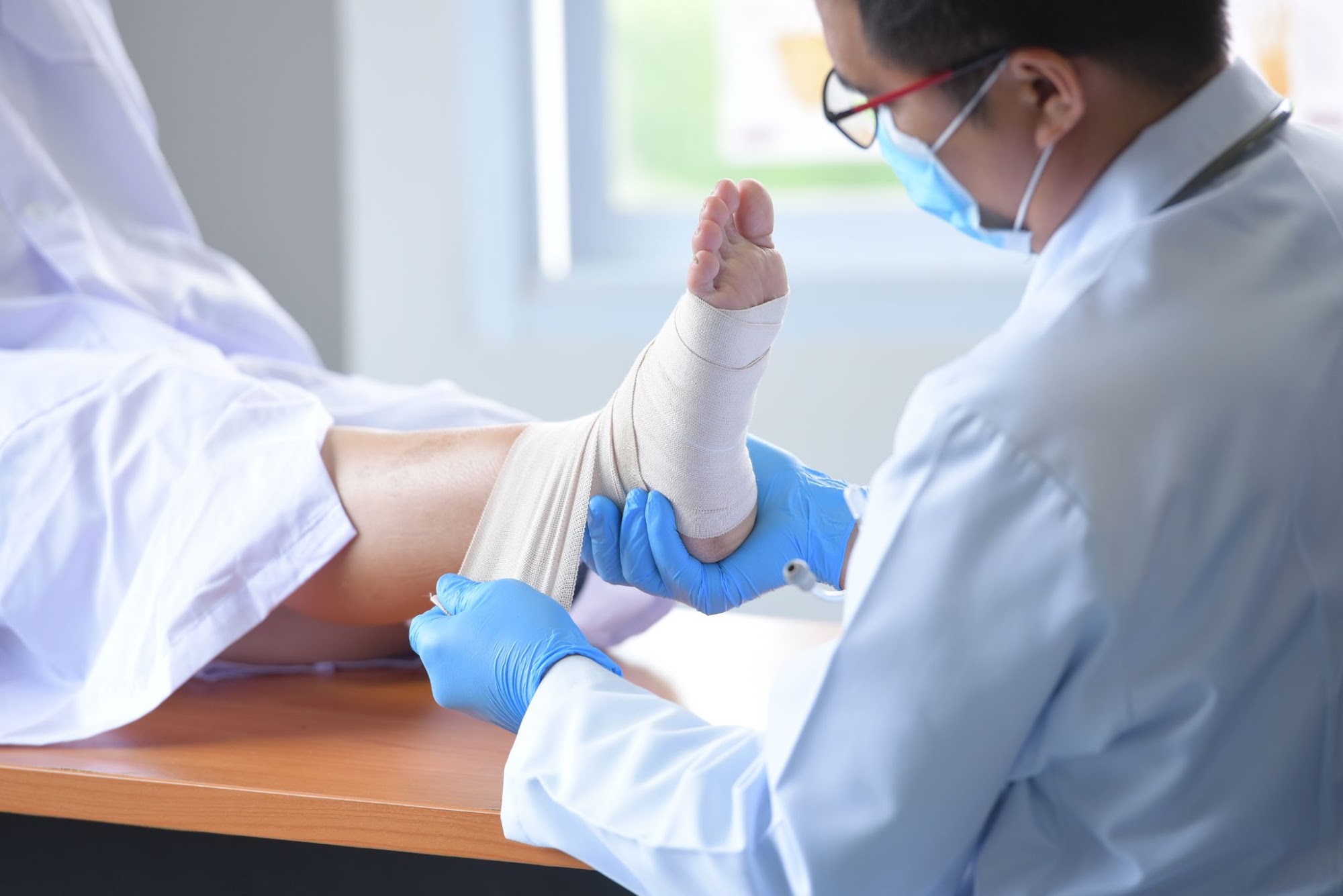
Some wounds need more support than standard dressings can provide. When healing stalls, advanced wound treatments can help manage drainage, reduce swelling, protect fragile tissue, and support the body’s healing response.
Depending on the wound, your care plan may include:
- Advanced wound dressings designed to protect the wound, manage moderate to heavy drainage, and maintain an optimal healing environment.
- Wound debridement to remove non-viable or damaged tissue that can interfere with healing.
- Negative pressure wound therapy, also called vacuum-assisted therapy, to reduce excess fluid buildup and bacteria and promote more blood flow, oxygen, and nutrients for the wound.
- Cellular and tissue-based products to support tissue repair.
- Hyperbaric oxygen therapy (HBOT) to increase oxygen delivery to tissue in selected non-healing wounds.
Wound care treatments are selected based on the wound’s depth, drainage volume, condition of the surrounding tissue, and response to prior care.
When to See a Wound Care Specialist
If you are overweight and have a wound that is slow to heal, waiting can lead to serious complications. Seeing a wound care specialist for an evaluation can help determine why healing has stalled and whether advanced treatment is needed.
Signs to Consider Scheduling a Wound Care Evaluation
- A wound has not measurably improved after 2 to 4 weeks of appropriate basic care
- A wound remains open beyond 6 to 12 weeks
- A wound reopens after initially appearing to heal
- You have recurrent wounds or pressure injuries
- You have obesity plus high-risk conditions such as poorly controlled diabetes, kidney disease, or severe peripheral arterial disease
- You have difficulty reaching or caring for the wound due to body size, limited mobility, or wound location
- You have a history of stubborn wounds, repeated infections, or prior amputations
Red Flags to Seek Prompt or Urgent Evaluation by a Wound Care Specialist
- Spreading redness around the wound
- Increasing drainage or pus
- Foul odor
- Fever or chills
- Increasing pain or swelling
- Blackened tissue or concern for gangrene
- Rapidly worsening tissue loss
- Signs of bone involvement in a foot wound
For further guidance in determining if it is time to see a wound care specialist, take our wound self-assessment quiz.
Specialized Care for Every Body at Innovative Wound Care Specialists in Michigan
At Innovative Wound Care Specialists in Flint, MI, wound care is tailored to the individual, not just the wound. Our team focuses on identifying what may be slowing healing and addressing those factors with advanced wound care services and coordinated support.
If you live in Flint, MI, or the surrounding regions and have a wound that is not healing, a comprehensive evaluation with one of our wound care specialists can help determine the next appropriate steps toward recovery.
Contact Innovative Wound Care Specialists to schedule an appointment or request a referral.