
Laboratory and Vascular Evaluation

Laboratory and Vascular Evaluation

Accurate diagnosis and effective wound treatment start with thorough evaluation.
Laboratory and vascular evaluation is a comprehensive diagnostic process used in advanced wound healing to find underlying conditions that may be hindering healing. Chronic wounds are often caused by deeper medical issues, which can be identified through a combination of blood tests and circulatory assessments.

A laboratory will analyze your blood samples to check for any signs of infection, immune response, and inflammation. Your metabolic control and overall nutrition will also be checked to make sure your body has consistent resources to heal.

During a vascular evaluation, your doctor will evaluate the blood flow to and from your wound site. Your circulation can be impacted by a variety of vascular disorders, which can severely impact your wound’s ability to heal. Between the lab work and circulation assessment, your doctor can get a comprehensive foundation of your health to help determine a treatment plan.

Wounds and the speed at which they heal act as a reflection of your overall health. When wounds struggle to close, frequently reopen, or become infected, there is usually an underlying condition that is uncovered during a laboratory and vascular evaluation. By running these tests prior to any advance wound treatment, your doctor can detect other issues early and intervene with a targeted treatment plan.

Learn More About Laboratory and Vascular Evaluation

When you come in for a Laboratory and Vascular Evaluation, the goal is to gather a complete picture of what might be affecting your wound healing. The examination falls into two different parts, so you should be aware of what to expect in each stage.

Lab Testing

Your healthcare provider will order a blood draw to send to the lab for testing. Depending on you medical history and the state of your wound, your doctor can order a number of tests, including:

  • Complete Blood Count (CBC): Your blood is made up of multiple components, and when any component is elevated or out of balance it can affect your body’s natural healing ability by causing anemia, infection, or inflammation.

  • Blood Sugar and Hemoglobin A1c: Analyzing your blood sugar and hemoglobin helps assess your current and long-term blood sugar control, which is important if you have diabetes or prediabetes.

  • Kidney and Liver Function Tests: Your kidneys and liver help filter waste products out of your bloodstream, and when they aren’t functioning properly it affects how fast you heal.

  • Nutritional Markers: Protein and other nutrients are essential for rebuilding damaged tissues, and your doctor will work to assess any gaps in your nutrition.

Following the blood tests, your doctor will check how well blood is circulating around your wound, which may involve:

  • Pulse Checks: Your doctor will check your pulse in your feet and legs to quickly check your blood flow.
  • Doppler Ultrasound: This non-invasive test uses sound waves to visualize you blood flow and find any blockages.
  • Ankle-Brachial Index (ABI): The blood pressure in your arm is taken and compared to the blood pressure in your ankle.

You may benefit from having a laboratory and vascular evaluation if you:

  • Have a chronic or non-healing wound: Foot ulcers, pressure sores, or surgical wounds that aren’t improving with standard care should be evaluated.

  • Have symptoms of poor circulation: Conditions like peripheral artery disease can cause symptoms like cold feet, changes in skin color, and leg pain while walking.

  • Have a weakened immune system: Illness, medications, or chronic conditions can make it harder to fight infection.

  • Have diabetes: Damaged blood vessels and nerves from uncontrolled blood sugar make it hard for your wound to receive the nutrient it needs to heal.

  • Have signs of venous disease: Symptoms like swelling, varicose veins, and blood clots can cause wounds to heal slowly or reopen.

  • Have poor nutrition or unintentional weight loss: Fluctuation in your diet and weight can impact on the amount of resources your wound has to heal.

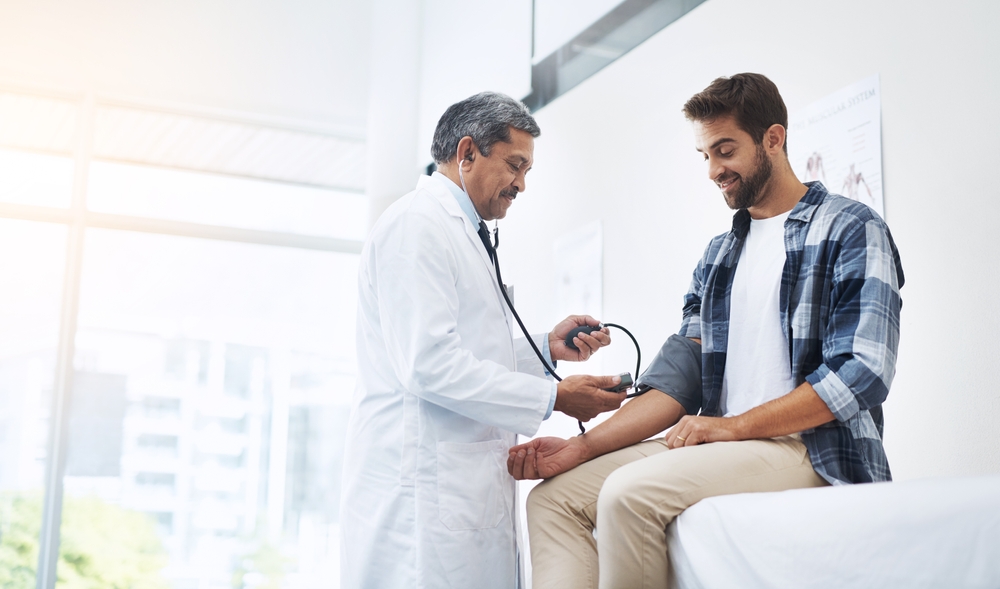
A doctor taking a man's blood pressure

By looking deeper than the surface of the wound, this evaluation helps your provider understand the root causes of delayed healing and treat them directly. This can create a number of benefits for you, including:

  • Identifies Hidden Health Issues: By having your blood and circulation evaluated sooner, your doctor can find underlying conditions earlier and treat them before they worsen.
  • Guides Individualized Treatment: Lab results can help build a complete perspective on your overall health so that your doctor can customize your health plan.
  • Prevents Complications: Finding infection or vascular disease early can allow your doctor to intervene and potentially prevent serious complications like tissue damage, hospitalization, or even amputation.
  • Tracks Progress Over Time: By repeating lab tests and having follow-up vascular assessments, your doctor can track how your body and wound are reacting to the treatment plan and make adjustments if needed.

If your wound has been present for more than a month and hasn’t reduced in size by at least 50%, or if it shows signs of infection, it’s time to seek professional care. Warning signs of infection include drainage, a foul smell, or significant pain. You should also be concerned if you develop a fever or notice increased swelling or redness around the wound. These symptoms may indicate a more serious problem that requires medical attention.

Please consult your healthcare provider if you suspect you may need a laboratory and vascular evaluation.

Female doctor treating elderly patient

To decide if it is time to get a laboratory and vascular evaluation, reach out to your regular healthcare provider. Your doctor will be able to run all the necessary tests to determine any future treatment you need and help you get the process started.

If you need a laboratory and vascular evaluation, our professional wound specialists are ready to help you with your healing process. Contact us to set up your appointment today.

Contact us by phone (810) 600-2030 or email info@innovativewoundspecialists.com and our friendly staff will assist you every step of the way. Don’t delay your healing process any further and have your wound evaluated today!

Laboratory and Vascular Evaluation FAQs

How long does the evaluation take?

Most lab work and vascular testing can be completed during your initial visit. Some blood test results may take a day or two, but your provider will review everything with you once the results are in.

Is the testing painful?

The evaluation is generally simple and low-risk. Blood tests involve a standard blood draw, and vascular studies like ABI or Doppler ultrasounds are non-invasive and painless.

Will I need this evaluation more than once?

That depends on your condition and how your wound responds to treatment. Some patients may need repeat testing to monitor healing progress or manage ongoing health issues.

Why can’t my wound just be treated directly?

Treating only the surface of a wound without addressing underlying issues like poor circulation, infection, or diabetes often leads to poor healing or recurrence. This evaluation ensures your care plan targets both the wound and the reasons it isn’t healing.