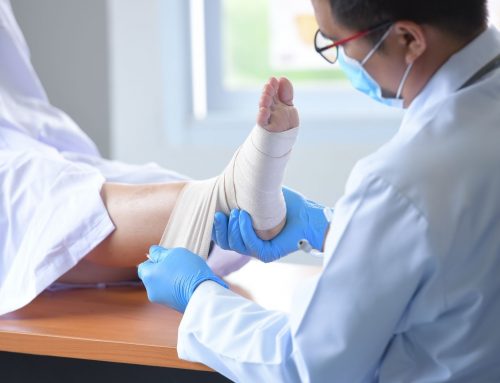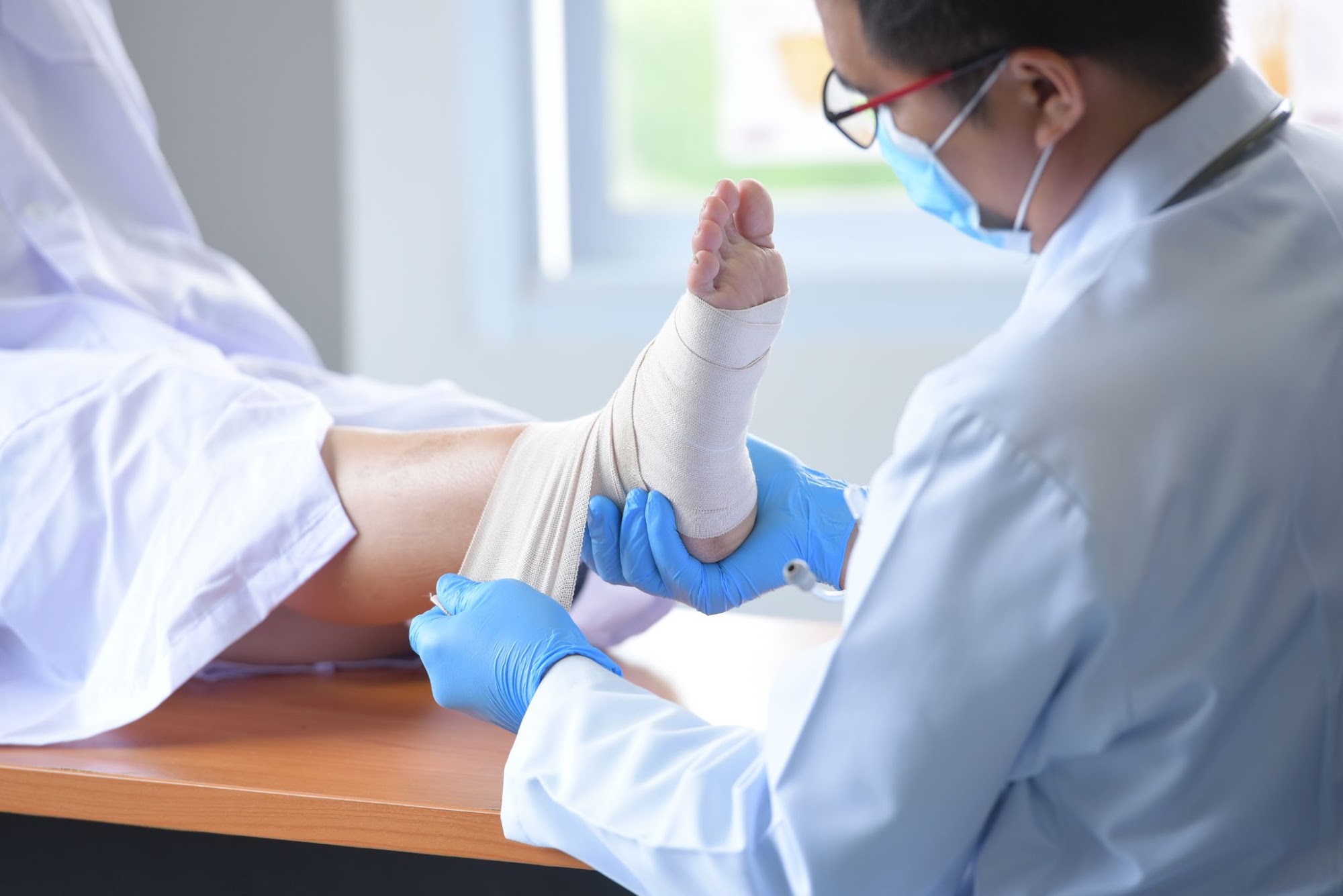

The human foot is complex. It has dozens of bones, joints, nerves, and blood vessels. Together, they stabilize the body and support movement, balance, and daily mobility.
In addition to carrying a lot of responsibility, your feet can provide clues about your overall health. Poor foot health is often the first indication of an underlying medical issue.
Most people overlook their feet until issues develop.
April is National Foot Health Awareness Month. Take this time to emphasize proper foot care to prevent wounds, infections, and complications. These issues can lead to serious health concerns, including limb loss.
At Innovative Wound Care Specialists, we recognize that foot health is a vital part of overall well-being. In this article, our specialists discuss:
- The importance of healthy feet and what your feet can possibly tell you about your overall health
- Common foot problems and signs that may indicate an underlying health concern
- Advanced treatment for slow-healing wounds and foot-related complications
- Simple steps you can take to maintain foot health and prevent complications
- When you may want to see a doctor for foot pain, wounds, or other concerning symptoms
- How partnering with a wound care specialty center like Innovative Wound Care in Michigan can help support healthy feet and early intervention
Why Foot Health Matters
Your feet are your foundation. Healthy feet are essential for mobility, balance, stability, and proper weight distribution. They are also crucial for your overall quality of life.
Poor foot health can lead to problems such as ingrown toenails. It can also cause serious complications like chronic wounds and infections. These risks are higher for people with diabetes, peripheral artery disease (PAD), or other circulatory conditions.
Some of the most common foot-related conditions and concerns include:
- Diabetic Foot Ulcers: Slow-healing wounds that can lead to serious infections and potential amputation if left untreated.
- Peripheral Artery Disease (PAD): Poor circulation can delay or prevent wound healing, increasing the risk of severe complications.
- Pressure Ulcers: Prolonged pressure on certain areas of the foot can lead to open wounds, particularly for individuals with limited mobility.
- Plantar Fasciitis: Plantar fasciitis is an inflammation of the band of tissue that runs across the bottom of your foot. It can cause severe heel pain. To prevent plantar fasciitis, wear supportive shoes and avoid walking barefoot on hard surfaces. Regularly stretching your feet and calves can also help.
- Ingrown Toenail: This occurs when the edge of the nail grows into the surrounding skin. It often causes pain, redness, swelling, and sometimes infection. Proper nail trimming and well-fitting shoes may help reduce the risk.
- Bunions: A bunion is a bony bump at the base of the big toe joint. It often causes the toe to angle inward, leading to pain, swelling, irritation, and difficulty wearing certain shoes.
- Athlete’s Foot: A common fungal skin infection that may cause itching, peeling, redness, burning, or cracked skin, especially between the toes. Keeping feet clean and dry and changing socks regularly may help reduce the risk.
Changes in the appearance or sensation of your feet may be early indicators of health issues. These include circulatory, nerve, musculoskeletal, or skin conditions, as well as systemic issues, such as diabetes or vascular disease.
Common Foot Changes That May Signal Underlying Health Issues
Many foot problems start with subtle symptoms that are easy to miss. Noticing these issues early can help lower the risk of wounds, infection, and complications. This is particularly important for people with diabetes, poor circulation, or reduced sensation.
- Sores That Won’t Heal: Could be a red flag for diabetes, poor circulation, or PAD, all of which can impair healing.
- Numbness or Tingling: Often a sign of peripheral neuropathy, linked to diabetes, vitamin deficiency, or nerve damage.
- Burning Feet: Can indicate nerve damage, vitamin B deficiency, or diabetes.
- Constantly Cold Feet: Could indicate poor circulation or hypothyroidism.
- Bluish or White Toes: Can be a sign of Raynaud’s disease, where small arteries spasm.
- Hair Loss on Toes or Feet: A potential sign of Peripheral Arterial Disease (PAD).
- Swollen Feet and Ankles: May indicate kidney disease, heart failure, liver disease, or pregnancy-related changes.
- Unexplained Redness or Warmth: Can indicate an infection or active inflammation.
- Painful, Swollen Big Toe: Often indicates gout, a type of inflammatory arthritis.
- Sudden Pain in Heel or Arch: Commonly a sign of plantar fasciitis or a stress fracture.
- Dry, Cracked Skin or Heels: May indicate a thyroid condition, eczema, psoriasis, or increased risk of wounds.
- Itchy, Peeling Skin: Often caused by athlete’s foot or eczema.
- Thick, Yellow Toenails: Typically a sign of a fungal infection.
- Small Pits in Toenails: Can be an early sign of psoriasis.
- Dark Spots or Lines Under Nails: Could be melanoma (skin cancer).
- Spasms or Cramps: Often a signal of dehydration or vitamin deficiencies (e.g., magnesium or potassium).
- Clubbing (toes curving downward): A potential sign of heart or lung disease.
- High Arches or Flat Feet: Can suggest underlying neuromuscular disorders.
- Stiff Foot Joints: Sometimes a sign of rheumatoid arthritis.
- Claw-like Toe Appearance: May indicate nerve damage, often related to diabetes.
- Foot Changes During Pregnancy: Swelling or structural changes due to increased pressure and hormones.
Monitoring these signs can help spot issues early, such as circulation problems or systemic diseases. See your doctor or a wound care specialist if symptoms last.
How the Innovative Wound Care Center in Michigan Can Help Protect Your Foot Health
At Innovative Wound Care in Flint, MI, our specialized team offers comprehensive wound care. We help prevent and treat foot-related complications.
We offer advanced treatment options, including:
- Debridement: A type of wound care that involves removing dead or infected tissue to promote healing. To learn more, read “Wound Debridement: What to Expect During Your Procedure”.
- Negative Pressure Wound Therapy (NPWT): A wound care treatment that uses suction to remove fluids and enhance tissue regeneration.
- Hyperbaric Oxygen Therapy (HBOT): This advanced treatment delivers high levels of oxygen to the bloodstream. It accelerates healing and fights infection. To learn more, read “How Does Hyperbaric Oxygen Therapy (HBOT) Work?”
- Cellular Tissue Products (CTP): Utilizing biologically derived or synthetic skin grafts to support wound closure. To learn more, read “A Guide to Using Cellular and Tissue Based Products for Wound Healing”.
- Vascular Assessments and Treatment: This process identifies, diagnoses, and treats circulation issues. It improves healing potential.
- Infection Management: We use targeted antimicrobial therapies to prevent and control infections.
Early evaluation and treatment can reduce the risk of chronic wounds, infections, and serious complications. This is especially true for patients with diabetes, PAD, or slow-healing foot wounds.
Foot Care: 10 Steps to Maintain Healthy Feet and Prevent Wounds
Preventing foot problems is key to keeping your mobility and overall health. Take simple steps at home to keep your feet healthy. This helps find issues sooner and lowers the risk of complications.
Here are 10 foot care tips from the wound care specialists at Innovative Wound Care Specialists in Flint, Michigan:
1: Inspect Your Feet Daily
Regular foot checks can help you catch small issues early before they worsen or become slow-healing wounds.
Check the tops, bottoms, heels, and between toes each day. Look for changes or irritation, such as cuts, blisters, swelling, or color changes, especially if you have diabetes or circulation problems.
2: Always Wear Supportive Footwear
Choose comfortable shoes with good arch support that fit properly. Avoid walking barefoot, even indoors. Bare feet increase the risk of cuts, punctures, and pressure injuries. This risk is higher if you have diabetes, neuropathy, or reduced sensation in your feet.
3: Practice Proper Hygiene
Good daily foot hygiene helps reduce bacteria, moisture buildup, and the risk of skin irritation or infection. Keep your feet clean and dry by wearing breathable socks that wick moisture throughout the day, and change your socks regularly.
4: Trim Toenails Correctly
Trim your toenails so they are even with the tip of your toe, but not longer. This reduces pressure from shoes, nail trauma, and the risk of ingrown toenails.
Trim toenails straight across, not rounded, to lower the risk of ingrown toenails, skin irritation, and infection. Avoid cutting nails too short.
5: Moisturize Carefully
Properly moisturized feet help maintain the skin barrier and reduce dryness. This prevents cracking and irritation. Use lotion to prevent dry, cracked skin. Avoid applying it between the toes to prevent fungal infections.
If you have an active wound and need more specific skin care advice, read “Skin Care for Wound Healing”.
6: Manage Underlying Conditions
Diabetes, PAD, neuropathy, and circulatory disorders affect blood flow, sensation, and healing. Managing these conditions protects long-term foot health and lowers the risk of wounds and infection.
Work with your healthcare provider to ensure you are taking all necessary steps to manage conditions that may affect foot health.
7: Move Your Feet
Blood flow is vital for healthy foot tissue and wound healing. Incorporate daily walks, foot stretches, and exercises to promote circulation, improve flexibility, and strengthen your feet. If you sit for long periods, also prioritize elevating your feet and taking frequent movement breaks.
8: Maintain a Healthy Weight
Maintaining a healthy weight reduces excess pressure on the feet and joints, lowering the risk of pain, skin breakdown, and wound formation while supporting mobility and circulation.
9: Don’t Smoke
Smoking reduces circulation and oxygen delivery to tissues, which can slow healing and increase the risk of chronic wounds, infection, and complications related to PAD and diabetes.
If you smoke, talk with your healthcare provider about resources and smoking cessation support, as quitting may help improve circulation and overall healing potential.
10: Seek Prompt Medical Attention
Even minor wounds or skin changes can worsen quickly, especially for those with diabetes, poor circulation, or reduced sensation in the feet. Early medical evaluation may help prevent infection, tissue damage, and more serious complications.
If you notice a wound, ulcer, or signs of infection, seek care immediately to prevent complications.
Foot Health: Partnering in Prevention
At Innovative Wound Care Specialists, we are dedicated to helping our patients maintain healthy feet and prevent serious complications. This National Foot Health Awareness Month, we encourage our community to prioritize foot care and take action to prevent chronic wounds and potential limb loss.
If you or a loved one has a slow-healing wound or is at risk for foot complications, contact our Outpatient Wound Care Center in Flint, Michigan, to schedule an evaluation. Early intervention can make all the difference in maintaining mobility and quality of life.
For more information or to schedule your appointment, click here to fill out an online form or call us at (810) 600-2030.
Other Healthy Feet Frequently Asked Questions
What are the early warning signs of poor circulation in the feet?
Early signs of poor circulation in the feet may include cold feet, numbness or tingling, skin discoloration, slow-healing cuts or sores, cramping when walking, and changes in skin texture or hair growth on the feet and toes.
Why do wounds on the feet heal slowly?
Foot wounds may heal slowly when blood flow is reduced or when underlying conditions such as diabetes, peripheral artery disease (PAD), infection, or nerve damage affect the body’s ability to repair tissue and fight infection.
When should a foot wound be evaluated by a wound care specialist?
A foot wound should be evaluated by a wound care specialist if it is not improving within a few days, shows signs of infection, becomes increasingly painful, or is slow to heal, especially in people with diabetes, poor circulation, or neuropathy.
If you have a slow-healing wound, skin breakdown, or other concerning foot changes, these may be early signs of a serious health condition. Taking a wound self-assessment quiz may help you determine whether it is time to seek professional wound care.
What does numbness or tingling in the feet mean?
Numbness or tingling in the feet may be a sign of poor circulation, nerve compression, or peripheral neuropathy, which is commonly associated with diabetes and other underlying nerve or vascular conditions.
How often should you have your feet professionally checked?
How often your feet should be professionally checked depends on your health history, but people with diabetes, circulation issues, neuropathy, or recurring foot problems may benefit from regular foot exams at least once a year or more often as recommended by their healthcare provider.