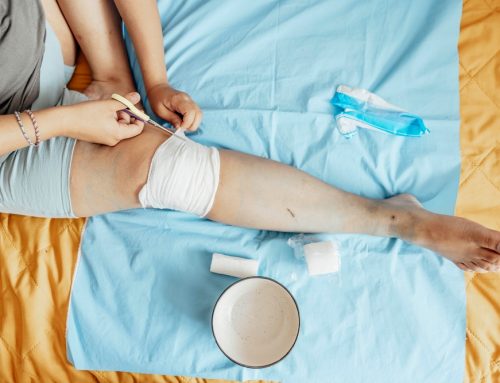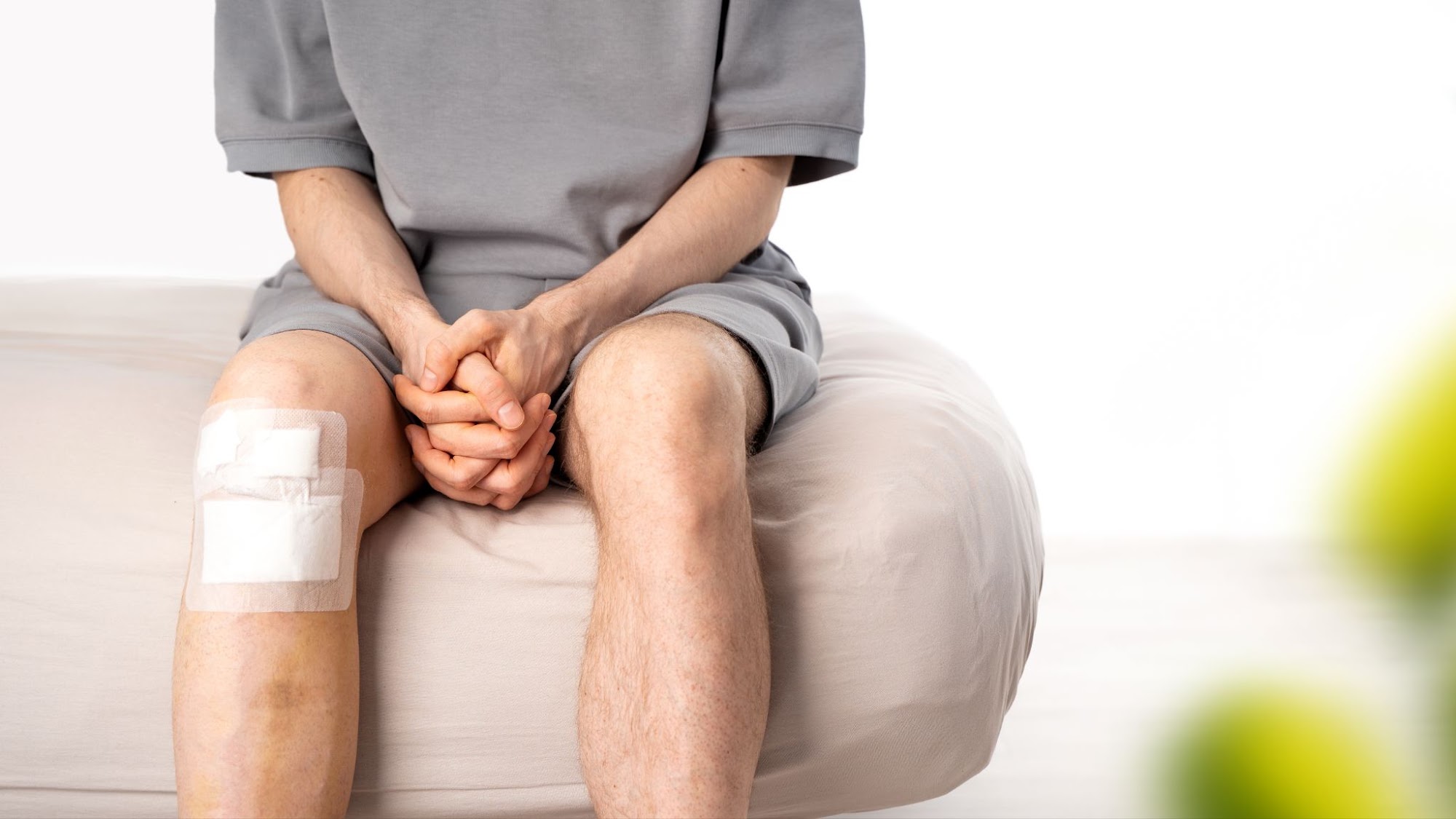
It’s a common assumption that there is only one type of wound dressing or that all wounds require the same one. In reality, there are many types of wound dressings, each with distinct uses based on wound characteristics and individual healing needs.
In this article, Innovative Wound Care Specialists explains the most common types of wound dressings, how they help heal, when each may be used, and signs that it may be time to see a wound specialist.
More Than Just a Bandage: Why the Right Dressing Matters
Selecting the right dressing is an important part of creating an environment that supports the body’s natural healing process. The right dressing helps create the conditions a wound needs to heal, but the wrong one could actually hinder healing.
Different wounds have different needs. A dry wound may benefit from added moisture, while a heavily draining wound may require a dressing that absorbs excess fluid. Other wounds may need additional protection from pressure, friction, or repeated irritation.
What Are the Main Types of Wound Dressings?
Wound dressings are categorized based on their material, permeability, and purpose. The main types include gauze, transparent film, foam, hydrocolloid, alginate, hydrogel, and compression dressings.
While all wound dressings are designed to cover and protect wounds, each has its own purpose, benefits, common uses, and care requirements.
Wound Dressing Types: Side-By-Side Comparison
| Dressing Type | Commonly Used For | Key Benefit | Typical Wear Time |
|---|---|---|---|
| Gauze | Minor wounds, wound packing, and secondary dressings | Versatile and widely available | Often changed daily or more often if wet or soiled |
| Transparent Film | Superficial wounds with little drainage | Protects the wound while allowing visibility | May stay in place for several days if intact |
| Foam | Moderate to heavily draining wounds | Absorbs excess fluid and helps protect the wound | Usually changed every few days or when saturated |
| Hydrocolloid | Low to moderately draining wounds | Helps maintain a moist healing environment | May stay in place for several days, depending on drainage |
| Alginate | Heavily draining wounds | Highly absorbent | Usually changed when saturated |
| Hydrogel | Dry wounds or wounds with minimal drainage | Helps add moisture to the wound bed | Varies based on wound moisture needs and the cover dressing used |
*Actual dressing selection and wear time vary based on the wound and the patient’s individual needs.
The best dressing for a wound depends on several factors, including the type of wound, the amount of drainage present, the condition of the surrounding skin, and the patient’s overall health. A wound care specialist can determine which dressing is most appropriate.
Wound Care Dressing Categories and Their Uses
Wound dressings are commonly grouped by how they interact with the wound, including how they absorb fluid, hold moisture, protect the area, or support another dressing. Each type has a different role depending on the wound’s needs.
Gauze Dressings: The Traditional Choice
Gauze is one of the oldest and most widely used wound dressings. Available in pads, rolls, and packing strips, it can be used as either a primary dressing placed directly on a wound or a secondary dressing used to secure other wound care products.
Gauze is commonly used for minor wounds, surgical incisions, wound packing, and wounds that require frequent dressing changes. It is inexpensive, versatile, and readily available.
However, gauze is generally not designed to maintain a moist healing environment on its own and often requires more frequent changes than many advanced wound dressings. If allowed to dry out, it may also stick to the wound, making dressing changes more uncomfortable.
Transparent Films: The “Second Skin”
Transparent film dressings are thin, flexible adhesive sheets that create a protective barrier over the wound while allowing healthcare providers to monitor healing without removing the dressing.
These dressings are commonly used for superficial wounds with little or no drainage, minor burns, and areas where protecting the skin from friction is important. Because they are waterproof and breathable, they help keep outside contaminants away while allowing oxygen and water vapor to pass through.
Transparent films are generally not appropriate for wounds with moderate or heavy drainage because they do not absorb excess fluid.
Foam Dressings: The Absorbent Cushion
Foam dressings are soft, absorbent dressings designed to manage wounds that produce moderate to heavy drainage. They help absorb excess fluid while maintaining a moist wound environment that supports healing.
In addition to managing drainage, foam dressings provide cushioning that may help protect wounds located on areas exposed to pressure or friction.
Because they are designed to handle larger amounts of drainage, foam dressings are commonly used for chronic wounds such as pressure injuries, venous ulcers, and diabetic foot ulcers when appropriate.
Hydrocolloids: The Moisture-Retaining Barrier
Hydrocolloid dressings contain gel-forming materials that interact with wound fluid to create a moist environment that supports healing.
They are commonly used for wounds with little to moderate drainage, including some pressure injuries and superficial wounds. Because they can often remain in place for several days, they may reduce the need for frequent dressing changes when appropriate.
Hydrocolloid dressings are generally not recommended for wounds with heavy drainage or wounds that require frequent inspection.
Alginates: The Seaweed-Based Absorber
Alginate dressings are made from natural fibers derived from seaweed. When they come into contact with wound fluid, they form a soft gel that helps absorb large amounts of drainage while maintaining a moist wound environment.
Because of their high absorbency, alginate dressings are commonly used for wounds with moderate to heavy drainage, including certain chronic wounds and cavity wounds.
Since alginates require moisture to function properly, they are generally not used on dry wounds or wounds with very little drainage.
Hydrogels: The Hydrating Donor
Unlike dressings designed to absorb moisture, hydrogel dressings help add moisture to dry wounds. They are made primarily of water or water-based gel and help keep the wound bed hydrated.
Hydrogels are commonly used for dry wounds, wounds with minimal drainage, and some wounds containing dead tissue, where added moisture may support the body’s natural healing process and help with the removal of non-viable tissue.
Because hydrogels contribute moisture rather than absorb it, they are generally not appropriate for heavily draining wounds.
Compression Dressings: The Swelling Management Solution
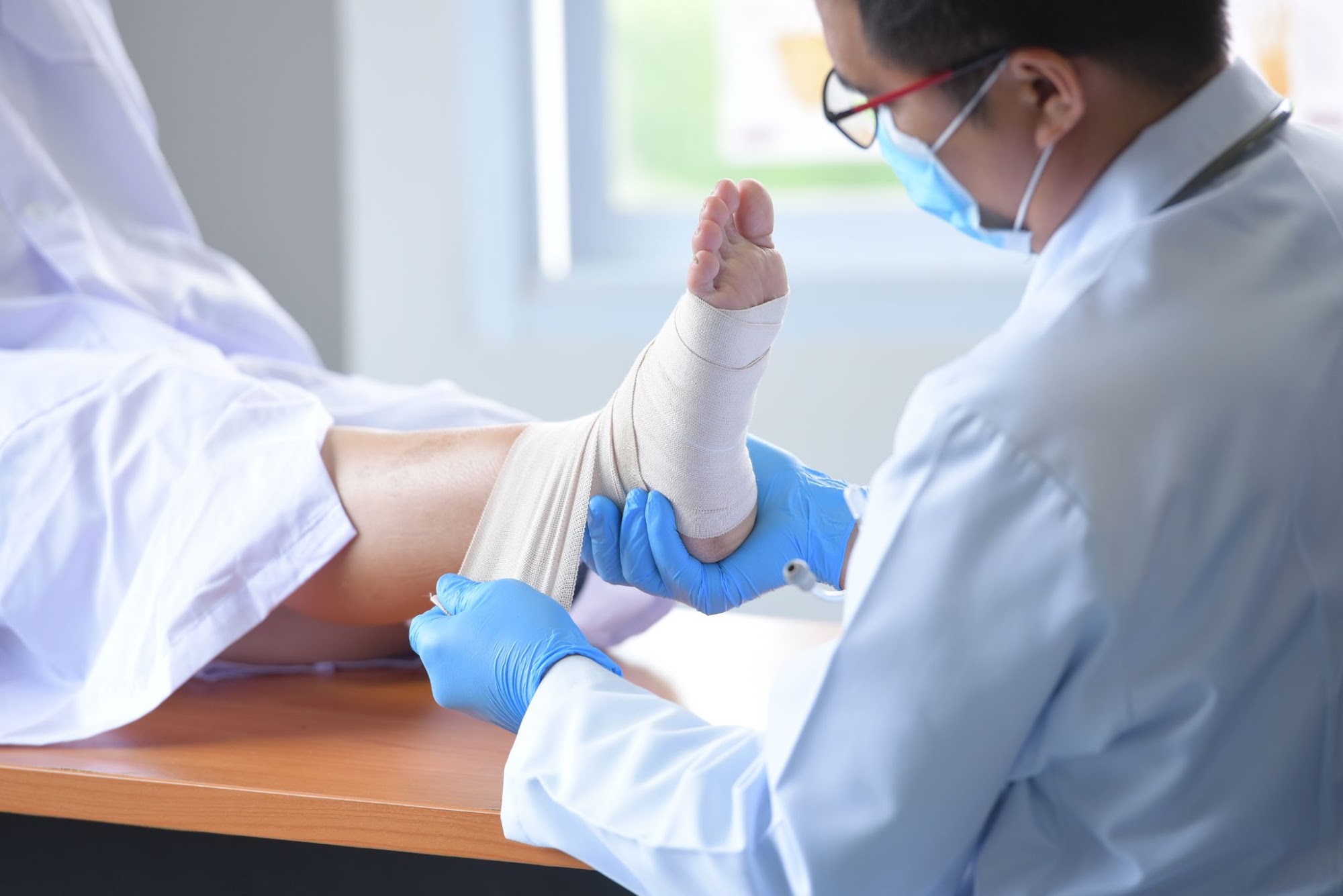
Compression dressings are designed to apply gentle, controlled pressure to the affected limb. They are commonly used to treat venous leg ulcers by improving blood flow, reducing swelling, and preventing fluid from pooling in the lower legs.
Unlike many other wound dressings, compression dressings are intended to address an underlying cause of the wound rather than simply cover it. Because the amount of compression and type of dressing must be matched to the patient’s condition, compression therapy should be used only under the guidance of a healthcare professional.
How Do We Choose the Right Dressing for Your Wound?
At Innovative Wound Care, choosing the right wound dressing begins with a comprehensive assessment with a wound care specialist, who evaluates not only the wound itself, but also your medical history, circulation, mobility, nutrition, medications, and other factors that may affect healing. The wound may also be measured and photographed to guide treatment and track the healing process.
Once the wound assessment is complete, we choose your dressing based on several factors, including:
- Wound type
- Wound size and depth
- Drainage level
- Condition of the wound bed
- Condition of the surrounding skin
- Signs of infection
- Patient health factors
Because wounds can change throughout the healing process, dressing selection is not always a one-time decision. Regular wound assessments help determine whether the current dressing remains appropriate or whether the treatment plan needs adjustment.
When to See a Wound Care Specialist for a Chronic or Non-Healing Wound
Many minor cuts, scrapes, and burns heal on their own with basic first aid, but some wounds require specialized care. You should make an appointment with a wound care specialist if you have:
- A wound that has not healed or significantly improved after four weeks.
- A wound that has not decreased in size by at least 50% after one month.
- Increasing redness, swelling, warmth, or pain around the wound.
- Drainage, pus, or a foul odor coming from the wound.
- A wound that continues to reopen after appearing to heal.
- A wound associated with diabetes, poor circulation, or vascular disease.
- A pressure injury, venous leg ulcer, arterial ulcer, or diabetic foot ulcer.
- A wound that exposes deeper tissue or does not respond to home care.
A wound care assessment quiz can help determine if you could benefit from professional wound care services. If your results suggest you may need treatment, a comprehensive patient and wound assessment at Innovative Wound Care Specialists can help identify the local and systemic factors affecting healing and guide the next steps in care.
If you are in doubt, it’s best not to wait. Delaying treatment for a chronic or non-healing wound can increase the risk of infection, tissue damage, and other complications.
Wound Care Frequently Asked Questions
How often should wound dressings be changed?
How often you change a bandage depends on the type of dressing, the amount of drainage, and how the wound is healing. Some dressings require daily changes, while others may remain in place for several days. Always follow your healthcare provider’s instructions.
Can you change a wound dressing too often?
Yes. While it is important to keep a wound clean, unnecessarily exposing a wound can delay your body’s natural healing process. Your doctor will provide specific instructions for how often to safely change your dressing.
What is the best type of wound dressing?
There is no single “best” wound dressing. The right choice depends on the type of wound, its size and depth, the amount of drainage, and your overall health.
Can the wrong wound dressing slow healing?
Yes. A dressing that does not properly manage moisture, drainage, or protection may interfere with healing or increase the risk of complications.
Are advanced wound dressings better than traditional bandages?
Not necessarily. Advanced wound dressings are designed for specific wound types and healing needs. While they are often better for chronic or complex wounds, traditional dressings are usually appropriate for minor wounds.
Do chronic wounds require specialized treatment?
Chronic wounds, typically defined as those that fail to progress through the normal stages of healing and remain open for 4 weeks or longer, do not always require immediate specialty treatment, but they do require evaluation by a wound specialist.
What does time stand for in wound care?
TIME is an acronym used as a clinical decision tool and framework for chronic wounds. Each letter stands for a key component of wound bed preparation:
- T: Tissue management
- I: Inflammation and infection control
- M: Moisture balance
- E: Epithelial edge advancement
The TIME framework is sometimes expanded to TIMES or TIMERS, adding Repair/Regeneration and Social factors or Surrounding skin.
Get the Right Treatment Plan at Innovative Wound Care Specialists
Patients throughout Flint, Michigan, and the surrounding communities trust Innovative Wound Care Specialists for advanced wound care treatments and surgical wound care procedures for chronic and non-healing wounds. Depending on your condition, your treatment plan may include advanced wound dressings, debridement, compression dressings, negative pressure wound therapy, hyperbaric oxygen therapy, cellular or tissue-based products, or other advanced wound care services.
If you have a wound that isn’t healing as expected, contact Innovative Wound Care Specialists to schedule a comprehensive patient and wound assessment.