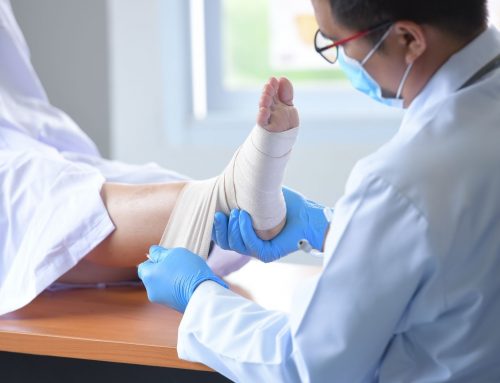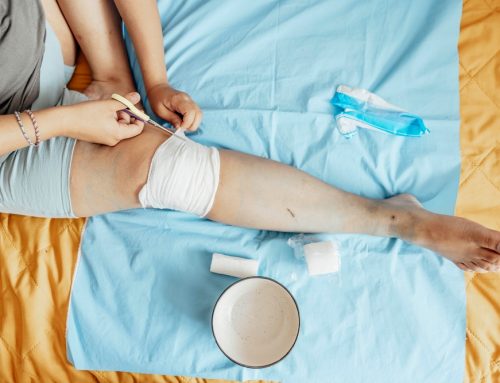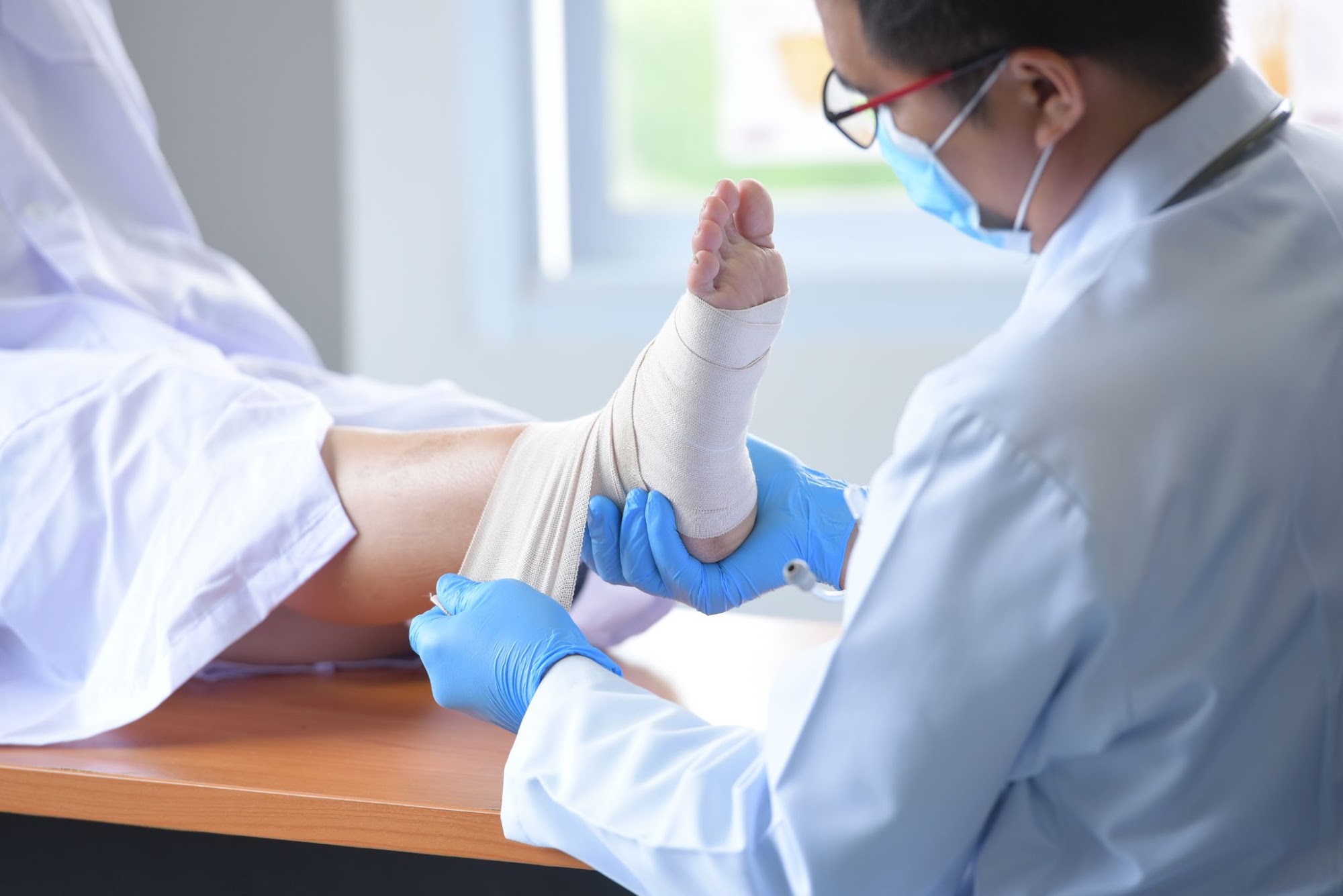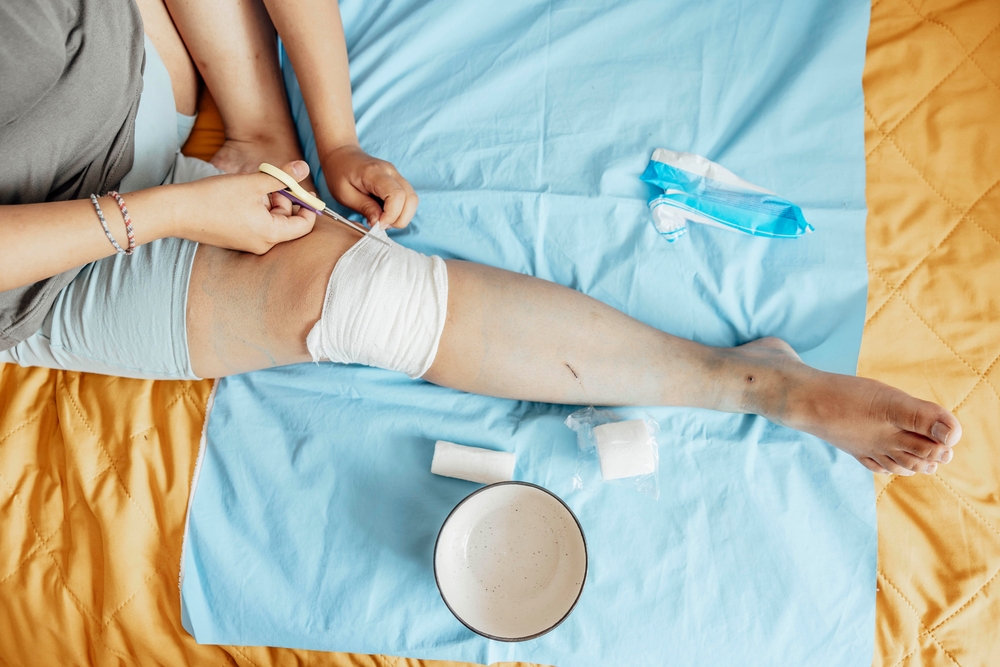

Elevating a diabetic or wounded foot may help reduce swelling and discomfort, but it’s not appropriate for everyone. It depends on the patient, wound type, and whether blood flow to the foot is restricted by poor circulation or severe arterial disease.
In this article, Innovative Wound Care Specialists in Michigan explains when elevating a wounded foot can help, warning signs that it may be unsafe, and when to see a wound care specialist for guidance. You will also learn foot-specific positioning to ensure you aren’t elevating the wrong way and get answers to frequently asked questions about foot swelling, elevation, wound healing, and wound care costs and insurance coverage.
Should You Elevate a Foot Wound?
You should not automatically assume the age-old advice to elevate a wounded foot is safe or effective. The recommendation depends on the wound’s type and cause, whether swelling is present, how well blood reaches the foot, and if health conditions are affecting circulation or sensation.
The primary benefit of elevating a foot wound is reduced lower extremity edema (swelling). Persistent fluid buildup can cause discomfort, make the surrounding skin tight and fragile, increase wound drainage, and place pressure on small blood vessels, making it harder for oxygen and nutrients to reach the tissue. However, if arterial blood flow is restricted by severe arterial disease or poor circulation, raising the foot can further limit the blood and oxygen reaching the tissue.
For example, elevation may benefit a superficial traumatic wound or surgical wound when swelling is present, and blood flow to the foot is adequate. If the wound is an arterial ulcer caused by severely restricted blood flow, elevation may further reduce blood flow to the wound, increasing pain and potentially interfering with healing.
For a broader look at how elevation affects wound healing, read “How Leg Elevation Can Speed Up Wound Healing.”
When Can Elevating a Foot Wound Be Dangerous?
Elevating a foot wound may not be safe if the foot is not receiving adequate blood flow. Raising the foot above heart level in these cases may further reduce blood and oxygen reaching the wound.
Severe Arterial Disease
Severe arterial disease occurs when the arteries become significantly narrowed or blocked, limiting blood flow to the tissue. When blood supply is already severely limited, elevating the foot may increase pain and reduce blood flow to the affected area.
Peripheral arterial disease (PAD) is one condition that can cause this type of restricted blood flow. However, not everyone with PAD has the same degree of circulation loss, so the recommendation to elevate depends on the severity of the disease and the results of a vascular evaluation.
Arterial Ulcers
An arterial ulcer is an open wound that can develop when tissue does not receive enough blood. Because the wound is already receiving limited blood and oxygen, elevating may make healing more difficult or worsen symptoms. An arterial ulcer should always be evaluated by a wound specialist to determine if elevation is safe.
Neuropathy and Complicated Diabetic Foot Wounds
Having a diabetic or neuropathic ulcer does not automatically mean you should not elevate the affected foot. It depends on the wound’s cause and location, whether swelling is present, and whether blood flow to the foot is adequate.
However, because diabetes and neuropathy can involve problems with circulation, sensation, and pressure, it is important not to assume elevation is appropriate and to get guidance from a doctor before elevating.
To learn more about diabetes and wound care, read “The Importance of Wound Care in Diabetes Management.”
Warning Signs That Elevation May Be Reducing Blood Flow
Pain that feels like aching, burning, or throbbing and begins or worsens when the foot is raised but improves when lowered is a common sign of severely restricted blood flow.
Other warning signs may include:
- A foot or toes that feel unusually cool
- Pale, blue, red, or darkened skin
- Numbness or tingling
- A wound that is not healing or is getting worse
These symptoms do not automatically mean you have severe arterial disease, but they should be evaluated by a wound care specialist before continuing to elevate the foot.
When Can Elevating a Wounded Foot Help?
Elevating a foot wound may be beneficial when arterial blood flow is intact, and swelling is due to fluid buildup from conditions such as venous hypertension, chronic venous insufficiency, lymphedema, or postoperative inflammation. It is also a key part of the RICE protocol (Rest, Ice, Compression, Elevation) for acute soft-tissue injuries.
While elevation may help reduce swelling-related discomfort and create a healthier environment around the wound, it cannot heal the wound on its own. Elevation is often recommended as part of a broader treatment plan that includes compression dressings, advanced wound dressings, debridement, cellular and tissue-based products, negative pressure wound therapy, hyperbaric oxygen therapy, pressure offloading, or other appropriate treatments.
If you have diabetes, vascular disease, neuropathy, a history of poor circulation, or are unsure what caused the wound or swelling, do not assume elevation is appropriate. See a wound specialist for an evaluation.
How to Elevate a Foot Correctly
If you have a wounded foot and your doctor says elevation is appropriate, the goal is to raise the foot high enough to reduce fluid buildup without putting pressure on the wound. The correct position, duration, and frequency depend on the wound’s location, the amount of swelling, your circulation, and the rest of your treatment plan.
Foot Position
When elevating a wounded foot, position your leg above your heart at a 30 to 40 degree angle while ensuring the wound isn’t pressing or rubbing against the surface you are resting it on. The best way to do this is to lie back or recline and use a firm wedge or pillows to support the lower leg. If the wound is on the heel, support the calf so the heel remains lifted off the surface. Your foot should feel stable and relaxed, not as though it is hanging, twisting, or sliding off the pillows.
Elevation Duration
How long you should elevate a wounded foot depends on the cause, amount of swelling, your circulation, and how the foot responds to elevation. Always follow your doctor’s instructions, but a general recommendation is to elevate for 15 to 30 minutes at a time.
Elevation Frequency
Elevation is often recommended several times throughout the day, particularly after periods of sitting or standing with the foot below the heart. Do not keep your feet elevated all day or sleep with them elevated unless your healthcare provider has confirmed it is appropriate.
Common Foot Elevation Mistakes to Avoid
- Placing pillows or other support directly against the wound
- Supporting only the foot instead of the lower leg
- Using an unstable stack of pillows that allows the foot to slide or twist
- Failing to raise the foot above heart level
- Remaining in the same position for long periods without medical guidance
- Continuing to elevate despite increased pain, numbness, coolness, or changes in skin color
It is also important not to assume that elevation replaces pressure offloading. Even if elevation is appropriate, it can’t address the pressure placed on a foot wound while standing, walking, or resting. Pressure offloading, available through Innovative Wound Care Specialists’ Prosthetic and Pressure Relief Assistance services, helps reduce or redistribute pressure placed on certain wounds.
When Should a Foot Wound Be Evaluated?
You should make an appointment with a wound care specialist if your wound is getting worse, not healing as expected, showing signs of infection or poor circulation, or if raising the foot causes new or increased pain or other sensations.
The following symptoms can have several possible causes and do not automatically mean you have an infection or severe arterial disease, but they should not be ignored.
- Pain that increases when the foot is elevated
- New or worsening numbness, weakness, or tingling
- A foot or toes that feel unusually cool
- Pale, blue, red, or darkening skin around the foot or wound
- Increasing swelling, redness, warmth, or tenderness
- More drainage, a foul odor, or changes in the wound’s appearance
- Fever or other symptoms that may indicate infection
- A wound that is becoming larger or deeper or is not healing as expected
Go to the emergency department if you suddenly cannot feel or move the foot or if one foot becomes significantly paler, bluer, or colder than the other. Fever and chills with a rapidly worsening wound or spreading redness and swelling also require urgent medical evaluation.
Get Advice for Your Foot Wound at Innovative Wound Care Specialists in Michigan
If you have a foot wound and are unsure whether elevation is safe, the doctors at Innovative Wound Care Specialists in Flint, Michigan, evaluate and treat a variety of chronic and complex wounds and can develop an individualized wound treatment plan that is best for you.
During your first visit to Innovative Wound Care Specialists, you can expect a comprehensive patient and wound assessment. A doctor will examine the wound and surrounding tissue, review your medical history, and discuss factors that could affect healing. The assessment may also include wound measurements and photographs, lab tests, or imaging. Your wound care treatment will depend on the type and cause of the wound, as well as any underlying health conditions that may affect healing.
The cost of wound care varies based on the services needed, your insurance benefits, and any applicable deductibles, copays, or coinsurance. Innovative Wound Care Specialists accepts Priority Health Medicare and Medicaid and collaborates with dozens of other health insurance plans. Benefits vary, so verify coverage before treatment. Our team can help obtain treatment authorization.
To schedule a consultation with one of our specialists, fill out and submit an appointment request form online, or call (810) 600-2030.
Frequently Asked Questions
Can I lie on my side while elevating my foot?
You may lie on your side if the foot remains securely supported above heart level and nothing presses against the wound.
Can I elevate my foot too much?
Possibly. The appropriate frequency depends on the wound, swelling, and circulation, and individual health history. In some cases, prolonged elevation can restrict healthy arterial blood flow to your extremities, cause excess fluid to return to the bloodstream too quickly, or strain your joints. Rapid fluid mobilization back to the central circulation primarily poses a risk to patients with compromised cardiac function (e.g., CHF).
Why does elevating my foot make it hurt more?
Pain when elevating your feet may result from pressure against a wound, an uncomfortable position, or reduced blood flow to the foot. Pain that worsens with elevation, particularly with coolness, numbness, or changes in skin color, should be evaluated for possible arterial circulation problems.
Does elevating your legs reduce the chance of a blood clot?
Elevation alone should not be relied on to prevent a blood clot. Recommended prevention may include movement, leg exercises, compression stockings, or blood-thinning medication, depending on your individual risk and medical condition.
How long does it take for a chronic wound to heal?
Healing time depends on the wound’s underlying cause, severity, circulation, infection status, pressure, overall health, and response to treatment. A wound may be considered chronic when it does not progress through the expected stages of healing within a reasonable period, which is generally 4-12 weeks. A wound care specialist can provide a more individualized estimate after evaluating the wound.
Medical Disclaimer: The information provided in this article is for educational and informational purposes only and is not intended as medical advice, diagnosis, or treatment. Always seek the advice of a qualified physician regarding any medical condition or before making changes to your treatment or self-care routine. Do not disregard professional medical advice or delay seeking it because of something you have read on this website. If you experience severe pain, sudden loss of sensation, or signs of a serious infection, seek emergency medical care immediately.
Sources
PubMed: Is the foot elevation the optimal position for wound healing of a diabetic foot?
Science Direct: The effect of foot positioning on tissue oxygenation in diabetic foot ulcers
Dermatologic Therapy: Management of chronic lower extremity ulcers
PubMed: Off-Loading Practices for the Wounded Foot: Concepts and Choices
American Heart Association: 2024 Guideline for the Management of Lower Extremity Peripheral Artery Disease
PubMed: Understanding the Pain Experience and Treatment Considerations Along the Spectrum of Peripheral Artery Disease: A Scientific Statement from the American Heart Association
PubMed: Peripheral Edema