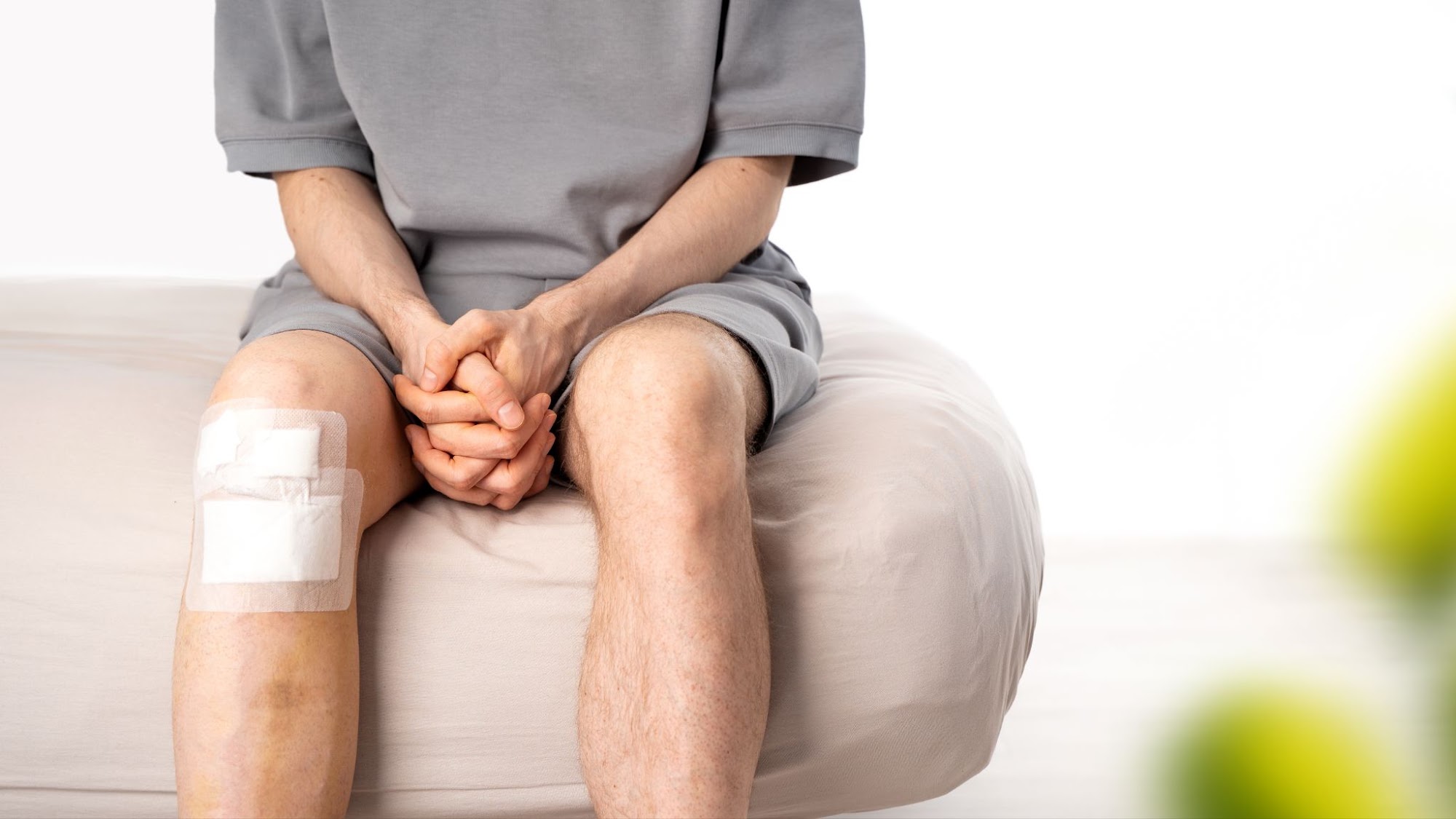
Your mind influences how your body repairs itself. Emotional well-being and physical recovery are closely connected, as stress can impact your body’s ability to repair. Mental health, though often overlooked in wound healing, is critical to your recovery timeline.
Healing Is More Than Skin Deep
Healing is about more than just fixing your body. Your mental health has a significant impact on your recovery, and your emotions can directly affect how your body heals. Let’s look at how your emotional state and mental health contribute to healing, and at the factors that support your mental health as you recover.
Mental Health Factors
Many things affect your mental health, including your body, mind, and social life. Your biology, like your genes, brain chemistry, and physical health, plays a role. So do your beliefs, attitudes, and your coping with stress. In addition, your environment and relationships also matter.
How Wound Healing is Affected by Mental Health
Your physical health is closely tied to your mental health. If you have poor physical health, a serious wound, or a wound that won’t heal, it can make you feel worse emotionally. Depression or anxiety can also slow down healing, since changes in your hormones and immune system can affect your body’s ability to recover.
Psychological coping strategies are critical for managing stress or trauma from injuries, such as traumatic wounds or stressors, which can delay healing. Long-term physiological stress triggers extra cortisol production. This may weaken the immune system and extend healing time. Weaker immunity can also disrupt circulation, which delivers oxygen and nutrients to help tissue regenerate.
The people who help you while you recover from a wound can make a difference in your healing. Supportive relationships can help your body handle stress better during recovery.
Why Emotional Well-Being Matters During Recovery
Your mind and body work together, affecting your immune system and your sensitivity to pain. Looking at these connections shows why emotional well-being is so important during recovery.
Immune System Response
Regulation of your immune system is one of the most important elements in wound healing and recovery. The immune system immediately gets to work, sending platelets to stop bleeding and form a clot, which helps reduce the risk of infection. Throughout the wound-healing process, the immune system continues working to reduce inflammation and initiate repair. It also enables the growth of new tissue and blood vessels, supporting healing from start to finish. If your immune system is compromised, your wound may heal more slowly.
Physical Sensitivity
How you feel mentally can change how you feel pain. If you’re in a good mood, you might handle pain better. But if you’re feeling down, pain can feel worse. For example, depression can make pain seem stronger and slow down healing. Anxiety can make you focus too much on your body, which can also slow healing because of extra stress hormones.
How Stress and Anxiety Can Slow Down Healing
The Science of Stress Hormones
Stress hormones like cortisol, epinephrine, norepinephrine, and vasopressin can affect how your body heals.
Your adrenal glands make cortisol, which helps control your metabolism, blood pressure, inflammation, and sleep. But too much cortisol can weaken your immune system and slow wound healing by depleting important proteins.
When you’re stressed or in danger, your body makes epinephrine (adrenaline). Vasopressin helps regulate your body’s fluid balance, and norepinephrine raises your heart rate and blood pressure when you’re stressed. These hormones can slow healing by narrowing your blood vessels, reducing the blood, oxygen, and nutrients that reach your wound.
The Impact on Behavior
Besides stress hormones, what you do every day matters for healing. To help your immune system, try to get good sleep, stay active as your doctor recommends, eat a balanced diet, drink plenty of water, and properly care for your wound.
Sleep Habits
Try to get good, regular sleep every night to help your body repair itself. Sleep helps balance your hormones, lowers stress, and boosts your immune system. When you sleep well, your body can send more oxygen and nutrients to your wound.
Physical Activity
Move regularly, as your healthcare provider suggests. The right activities for your wound can improve blood flow, reduce swelling, and lower stress, all of which can help you heal faster.
Diet and Hydration
Eat a balanced diet with plenty of lean proteins and healthy fats to give your body the nutrients and energy it needs to heal. Make sure to include protein-rich foods, vitamins, minerals, and healthy fats every day. Also, drink enough water to help your body eliminate waste, transport nutrients, and support healing. For more tips on what to eat, check out our blog post on Nutrition Tips for Wound Care.
Self-Care
Be sure to follow your wound care instructions. Keep your wound clean, change dressings as directed, and watch for signs of infection. Taking these steps helps prevent problems and can reduce scarring.
The Psychological Burden of a Chronic Wound
Pain and Discomfort
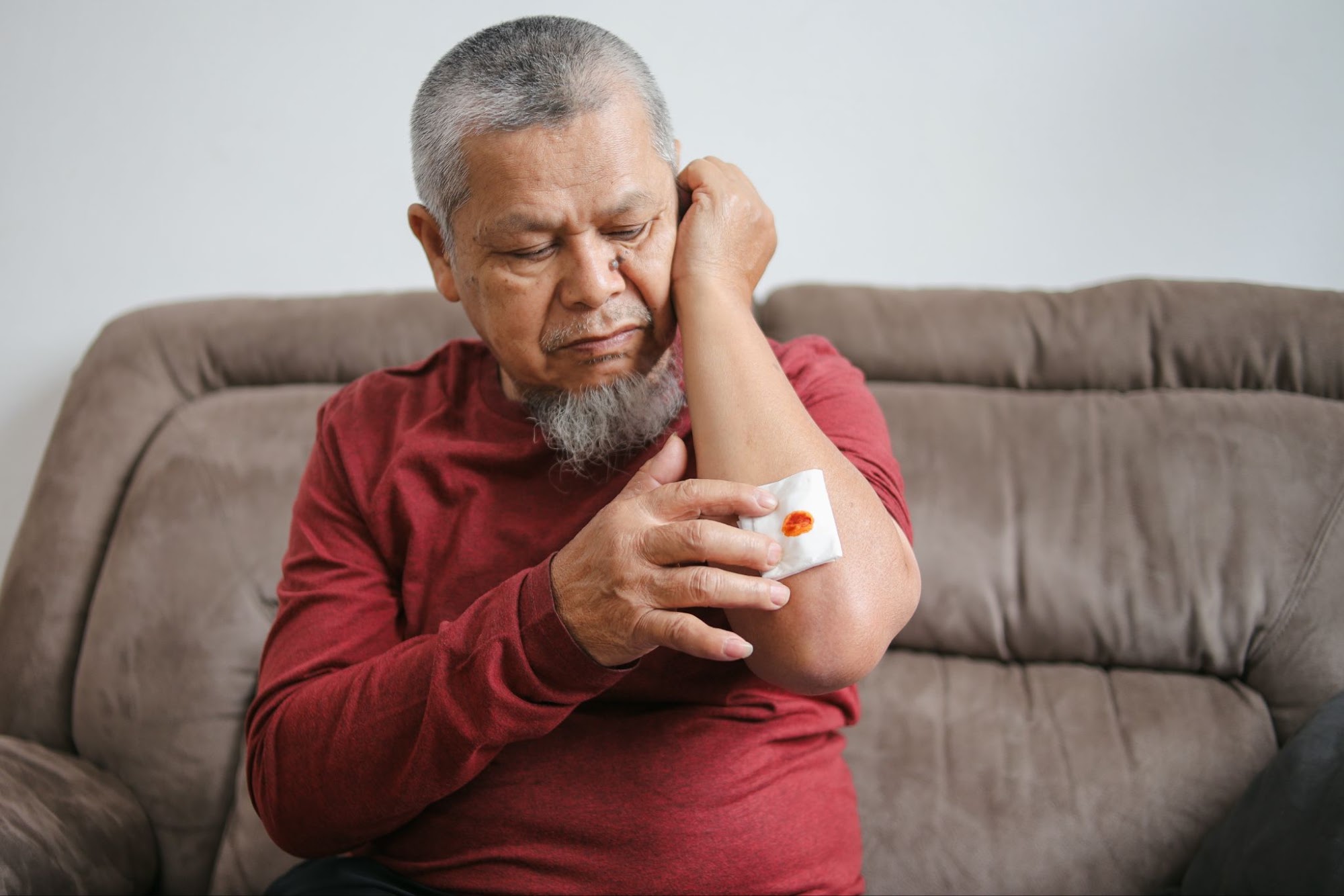
Chronic wounds that cause ongoing pain can really affect your mood and mental health. Constant discomfort can wear you down, making you feel tired and hopeless. This cycle of pain and stress can lead to feelings of despair and make it hard to think clearly.
Changes in Lifestyle
Changing your daily routines and activities while you heal can be tough on your emotions. Even though limiting activity helps protect your wound, it can be hard to adjust and may affect your mood. Needing ongoing care for a chronic wound can make you feel less independent and more isolated. It can disrupt your routines and bring new mental challenges.
Self-Consciousness and Social Withdrawal
Chronic wounds can make you feel self-conscious and lead you to pull away from others, which can put a strain on your relationships. It’s normal to worry about how your wound looks, smells, or affects your movement. Spending too much time alone during recovery can affect your relationships and quality of life. If you notice yourself withdrawing, talk to your provider. Getting support, spending time outside, and staying connected can help both your recovery and your mental health.
Strategies to Nurture Your Mental Health During Recovery
To support your mental health while you heal, try to reduce stress, stay in touch with others, set small goals, and reach out for professional help if needed.
Practice Stress-Reduction Techniques
Dealing with a wound that won’t heal can feel overwhelming. Try deep breathing, meditation, mindfulness, or gentle movement if you can. Breathing exercises help calm your nervous system, slow your heart rate, and promote relaxation.
Meditation and mindfulness can help you stay present and balanced. They break the cycle of stress and help you feel calmer. If you’re able, physical activity can lower stress hormones and boost endorphins. Even a short walk can help clear your mind and steady your body.
Stay Connected
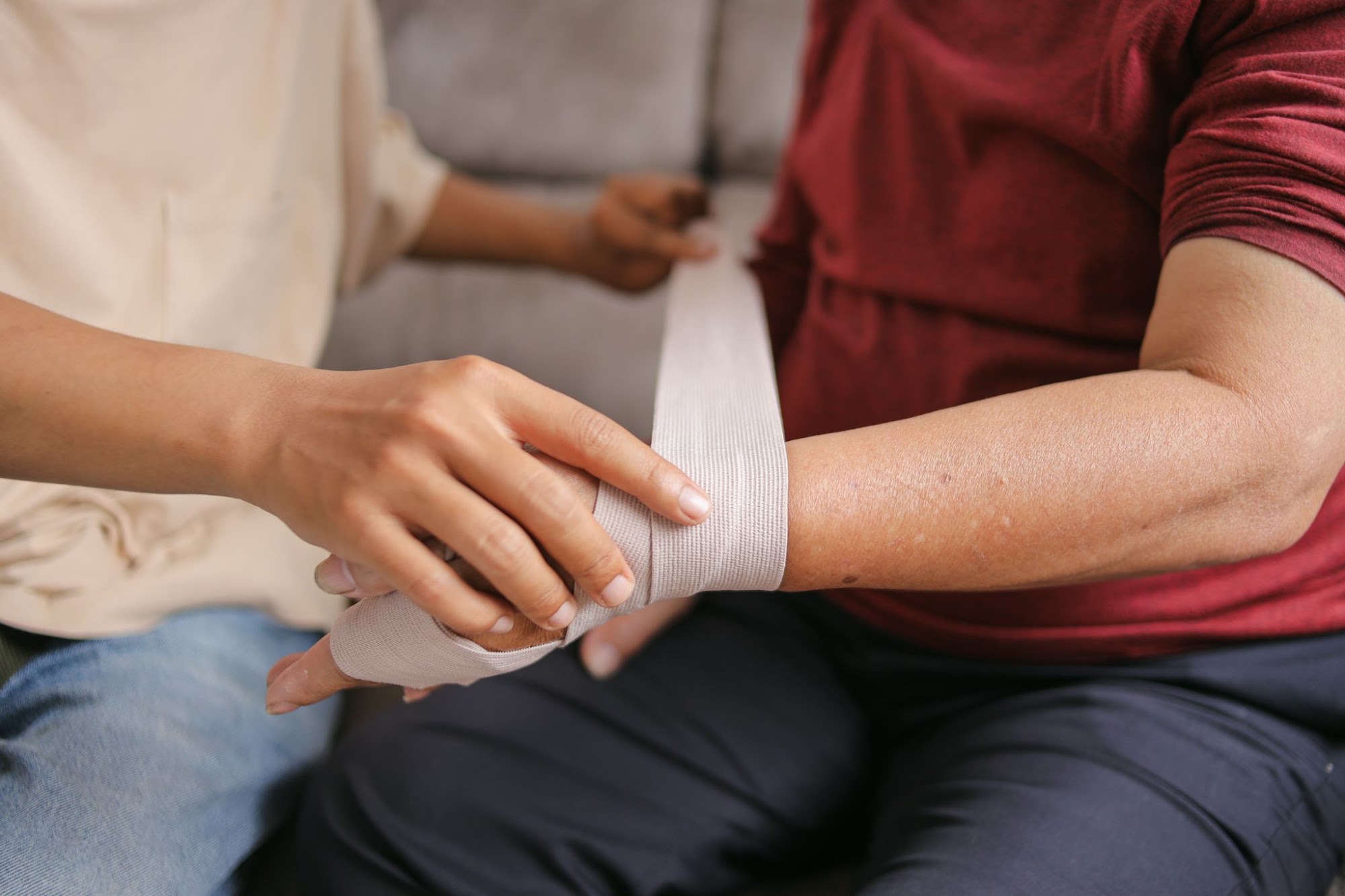
Having support from friends and family is important while you heal. Loved ones can help with wound care, meals, rides, and give you emotional support when things are tough.
Besides help from people you know, joining a support group can also be beneficial. Support groups or online communities let you share experiences, get advice, and learn new ways to cope. Hearing from others and getting encouragement can help you process your feelings, feel less alone, and manage your emotional recovery.
Set Small, Achievable Goals
Celebrate small steps in your recovery to build confidence and strength. Set goals that are easy to reach, so you stay positive and don’t feel overwhelmed.
Seek Professional Help
If you start to feel overwhelmed by the emotional side of healing, reach out for professional help. A mental health professional can help you find ways to cope, improve your relationships, and give you a safe place to talk about your feelings.
When to Speak with Your Wound Care Team
Let your wound care team know if your mental health is affecting your recovery. They can offer support, resources, and guidance to help you heal fully.
Signs That Mental Health May Be Affecting Recovery
If you notice changes in your behavior, mood, or physical health, your mental health might be affecting your recovery.
Behavioral Changes
Taking care of a healing wound can be stressful, especially when following hygiene and medical advice. If you start avoiding wound care, medications, or self-care, ask your wound care team for support.
Shifts in Emotional Health
Having to limit your daily routine can affect your mood, leaving you feeling hopeless, discouraged, or overwhelmed. Remember, you’re not alone, and you can always ask for help.
If your wound keeps you from doing things, you might start to pull away from others and feel isolated. Our team at Innovative Wound Care is here to support both your emotional and physical health as you heal.
Physical Symptoms
If your wound is taking longer to heal than you expected, your mental health could be playing a role. Mental health struggles can also make it hard to sleep and leave you feeling tired.
If you’re having trouble keeping up with wound care, feeling hopeless, or struggling to sleep, contact Innovative Wound Care. We’re here to support you and offer resources during this tough time.
Creating a Comprehensive Healing Plan
Here at Innovative Wound Care, we create a comprehensive healing plan to guide your wound-healing journey.
We Treat the Whole Person, Not Just the Wound
At Innovative Wound Care, we care for you as a whole person, not just your wound. Our plan is made to support your body’s needs. We start with a full assessment of you and your wound to identify anything that could affect healing, such as chronic conditions, circulation, or medications. We also review your medical history and lifestyle. Click here to learn more about what’s included in our assessment and what to expect at your first visit.
Innovative Wound Care works with you to improve your healing and support you every step of the way. Since your mental health is important to your recovery, we want to help you take care of both your mind and body. Ready to get started? Talk to a wound care specialist today and put your healing first.