A slow or non-healing wound requires more than a quick visual exam by a primary care provider. A wound assessment must include wound size, surrounding tissue, wound edges, signs of infection, circulatory status, and the patient’s medical history and current health.
Findings must be documented properly to ensure a consistent evaluation framework throughout treatment and among providers. Without this record, it is difficult to identify changes, evaluate wound response, or determine when the treatment plan needs adjustment.
At Innovative Wound Care Specialists in Flint, MI, proper wound assessment and documentation are essential for diagnosing and treating chronic wounds. In this article, our wound doctors explain:
- Why wounds require more than a visual glance
- How a wound is assessed and why each step matters
- What is documented and why these records are as important as the exam itself
- What role a patient has in the wound assessment process
- Why seeing a wound care specialist with expertise in assessing complex wounds matters
How a Wound Is Assessed: The Science of Wound Assessment
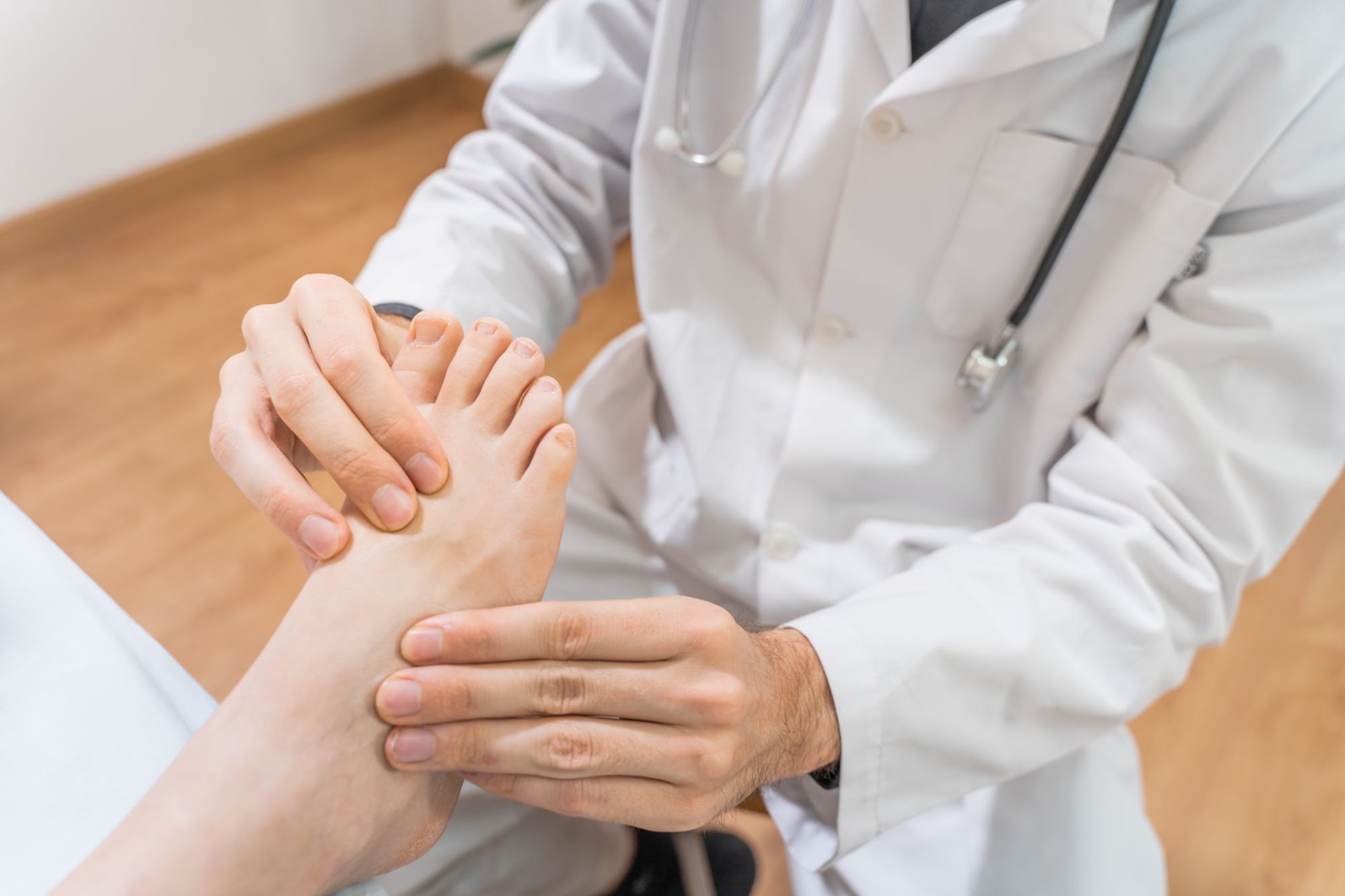
A chronic wound cannot be properly assessed by appearance alone. Proper wound assessment is a structured, evidence-based clinical process that systematically evaluates the wound and interprets findings in the context of healing.
Wound specialists combine knowledge of human anatomy, microbiology, and cellular biology with clinical observation, patient-specific health factors, and, if necessary, diagnostic technology to determine the underlying cause, barriers that may prevent healing, and track the phases of tissue repair.
One of the most widely used clinical decision support tools in modern wound assessment is the TIME framework. Each letter stands for a key factor that can block recovery: Tissue, Infection or Inflammation, Moisture balance, and wound Edge. More recent literature sometimes expands TIME to TIMES or TIMERS, adding repair/regeneration or social factors.
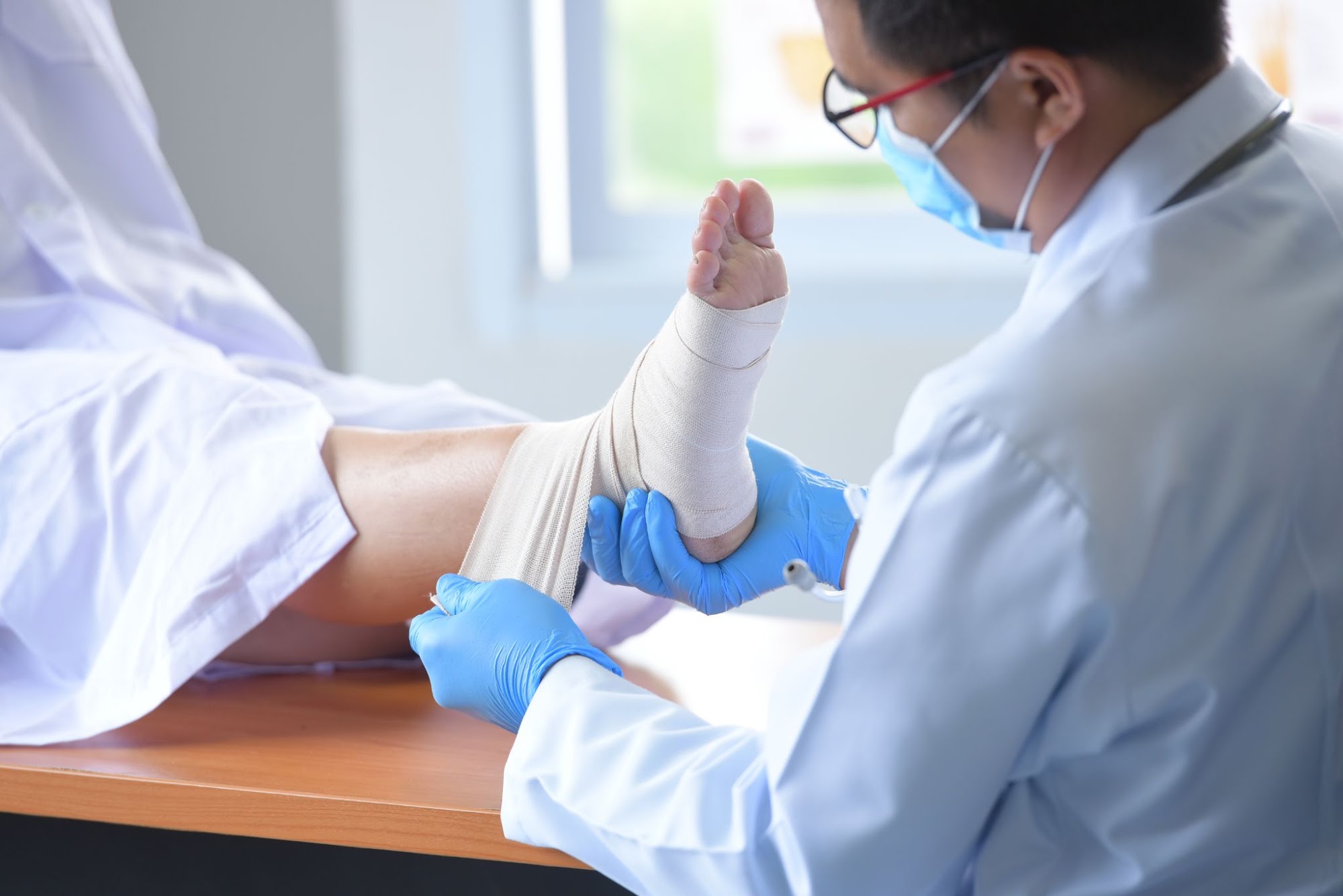
Wound specialists use this framework or a similar one to guide wound bed preparation and determine the best treatment approach. Physical and structural wound measurements and photographs further document the wound’s condition and track progress or regression.
Because wound care treatment is less likely to succeed if systemic factors are ignored, assessment should also include a laboratory and vascular health exam to help identify the cause of the wound and ensure adequate blood flow for healing, as well as a comprehensive evaluation of symptoms and health history, paying close attention to comorbidities, such as diabetes, that could affect the cellular healing response.
Together, this science-based clinical framework helps ensure findings are evaluated systematically, reduces the chance that barriers to healing are overlooked, and guides appropriate dressing and other treatment decisions.
What Wound Doctors Look For: Key Elements of a Wound Assessment
During a wound assessment, a doctor looks for specific characteristics that indicate the wound’s current condition, how it is changing, and factors that may affect healing.
The table below outlines the key elements, what each reveals about the wound, and why they matter for evaluating healing and guiding care.
| Element | What It Shows | Why It Matters |
|---|---|---|
| Location and size | Where the wound is and its length, width, and depth | Establishes a baseline for comparing changes in wound dimensions over time |
| Wound bed tissue | The type and condition of tissue present, including granulation tissue, slough, or necrotic tissue | Helps identify tissue that may support healing or may need to be addressed as part of wound-bed preparation |
| Wound edges and surrounding tissue | The condition of the wound margins and nearby tissue, including whether edges are advancing, rolled, or undermined | Abnormal wound edges or changes in surrounding tissue can indicate barriers to healing and influence care decisions |
| Drainage (exudate) | The type, amount, and other characteristics of fluid coming from the wound | Helps evaluate moisture balance, contributes to assessment for possible infection, and informs dressing selection |
The findings help determine the best treatment path, including which advanced wound dressing will best support healing and if advanced therapies may be required. For example, if the wound bed contains tissue that will not support healing on its own, debridement may be part of the treatment plan.
The Power of Documentation: Creating a Healing Roadmap
Chronic wounds take time to heal. The findings of every wound assessment must be properly documented from diagnosis through treatment and follow-up to track progress, detect complications early, and create a consistent record that can be compared and shared as care continues.
Ensures Consistency of Care
Chronic wound care often involves multiple providers over time. Detailed documentation from visit to visit gives everyone access to the same clinical information, including previous assessments, treatments, and wound changes. This helps ensure each provider works from the same information, improving care consistency.
Tracks Healing Progress
Written records of changes in wound size, depth, and surrounding tissue health are necessary to objectively compare changes over time and determine whether the wound is responding to treatment. Modern wound specialists also take wound measurements and photographs at each visit to create a more precise visual record and healing timeline.
Detects Complications Early
Consistent documentation, especially measurements and photos, can reveal whether a wound is closing at the expected rate long before changes are obvious to the naked eye. These records show early signs of stalling or worsening, allowing clinicians to adjust the treatment plan before serious complications develop.
Justifies Advanced Treatments
An initial wound treatment plan may change if the wound is not responding as expected or new clinical findings emerge. A record of assessment findings and treatment response gives specialists the evidence needed to determine the next appropriate level of care.
For some treatments, including negative pressure wound therapy and hyperbaric oxygen therapy, this information may be required to establish medical necessity or meet applicable insurance coverage criteria.
To learn more, read “Is Negative Pressure Wound Therapy (NPWT) Right for You?” and “How Does Hyperbaric Oxygen Therapy (HBOT) Work?”
The Patient’s Role in Wound Assessment
An effective wound assessment requires both objective clinical findings and the patient’s firsthand account of the wound and their overall health.
A wound specialist can measure a wound, examine tissue, review test results, and present a treatment plan. But only the patient can provide subjective data on what happened before the initial evaluation, how the wound feels, how it affects daily life, and real-time insights into changes that occur at home between visits.
That role begins during the initial assessment and continues between follow-up visits. What the patient shares in both settings directly affects how accurately the care team understands the wound and its changes over time.
During Wound Assessment
There are factors that may not be visible during an exam, but are relevant to the overall assessment.
Be prepared to discuss information such as:
- When the wound first appeared and, if known, how it started
- How long it has been present and how it has changed
- Previous wound treatments and how the wound responded
- Chronic health conditions that may affect healing
- Current medications
- Pain or other symptoms associated with the wound
- How the wound is affecting everyday life, such as problems with sleep, walking, work, exercise, social activities, or emotional well-being
If you’re unsure whether a wound needs professional evaluation, our wound self-assessment quiz can help you decide whether it’s time to contact a wound care specialist.
Between Wound Care Visits
The more accurately you describe what happens between visits, the easier it is for your wound care team to compare observations with clinical findings and understand how the wound is changing.
Depending on your wound and the instructions from your care team, that may include:
- Keep a daily wound log: Note changes in pain, drainage, odor, swelling, skin around the wound, or other symptoms. It may also be helpful to take photos of visual changes, as this can sometimes be easier than describing them.
- Support healing conditions: Follow nutrition, hydration, activity, and skin care recommendations from your wound care team. For patients with conditions such as diabetes, managing the underlying condition is also crucial for wound healing.
- Adhere to your treatment plan: Instructions depend on the wound and cause but may include dressing changes, pressure relief or offloading, leg elevation, compression dressings, medications, or other care. If something is difficult to follow, contact your provider.
- Report concerning changes promptly: Contact your healthcare provider if you develop new or worsening symptoms they have told you to watch for, such as increasing redness or swelling, worsening pain, new or increased drainage, foul odor, fever, or other signs that could indicate infection or another complication. To learn more, read “Tips for Preventing Wound Infections.”
Why Expertise in Wound Assessment Matters
Complex wounds, such as diabetic foot ulcers, venous ulcers, arterial ulcers, and pressure injuries, are not the same as a minor cut or scrape. They are often connected to underlying medical conditions or problems with circulation, pressure, sensation, or mobility and require a more specialized level of assessment and care.
Just as you would see a specialist for other complex, body-specific medical conditions, the same is true when a wound is not healing as expected. Wound care specialists are trained in using established clinical tools and classification systems necessary for proper wound assessment and documentation.
At Innovative Wound Care Specialists, our comprehensive patient and wound assessment follows a structured, clinically established process that considers both the wound itself and the health factors that may affect healing to guide an appropriate treatment plan.
Wound Assessment and Documentation FAQs
What is included in a wound assessment?
A wound assessment typically includes examining the wound’s location, size, depth, tissue type, drainage, and condition of the surrounding skin, along with a review of the patient’s circulation and vascular health, symptoms, medical history, and other health factors that can affect healing.
How are wounds measured?
Wounds are typically measured for length, width, and depth using a sterile measuring guide, then photographed from a consistent angle so images can be compared across visits. For more information, read Wound Measurement and Photographs.
What are the documentation requirements for wound care?
Wound care documentation generally records assessment findings, measurements, photographs, treatments provided, and the wound’s response to treatment at each visit. Exact requirements can vary by setting and insurance requirements, but the goal is always a clear, consistent record over time.
How do I find a qualified wound care specialist near me?
Look for a specialist with specific wound-care training rather than a general practice provider. Make sure the practice offers a complete wound assessment and a full range of treatment options. If you are in the Flint, MI, area, Innovative Wound Care Specialists is a well-respected wound care practice staffed by specialists from various medical fields who collaborate to provide holistic, advanced treatments for complex wound management.
Innovative Wound Care in Flint, MI: Where Meticulous Wound Care Starts With Meticulous Assessment
A chronic wound requires a structured assessment that follows established clinical guidelines with proper documentation to create a clear record of the wound and its changes over time. Without both, a wound may not receive proper diagnosis and treatment, and important changes that impact healing may be missed.
At Innovative Wound Care Specialists in Flint, MI, our team includes doctors, nurses, and other healthcare professionals with specialized training in wound care, vascular care, and infectious disease management.
We assess both the wound and the health factors that may be affecting healing, then use those findings to guide an individualized treatment plan. When appropriate, care may include advanced wound dressings, debridement, compression therapy, negative pressure wound therapy, cellular or tissue-based products, hyperbaric oxygen therapy, vascular evaluation, or other wound care services.
If you have a wound that isn’t improving, contact Innovative Wound Care Specialists to schedule a wound assessment.
Disclaimer: This article is for general educational purposes and is not a substitute for professional medical evaluation. If you have concerns about a wound, contact a qualified wound care provider for personalized guidance.