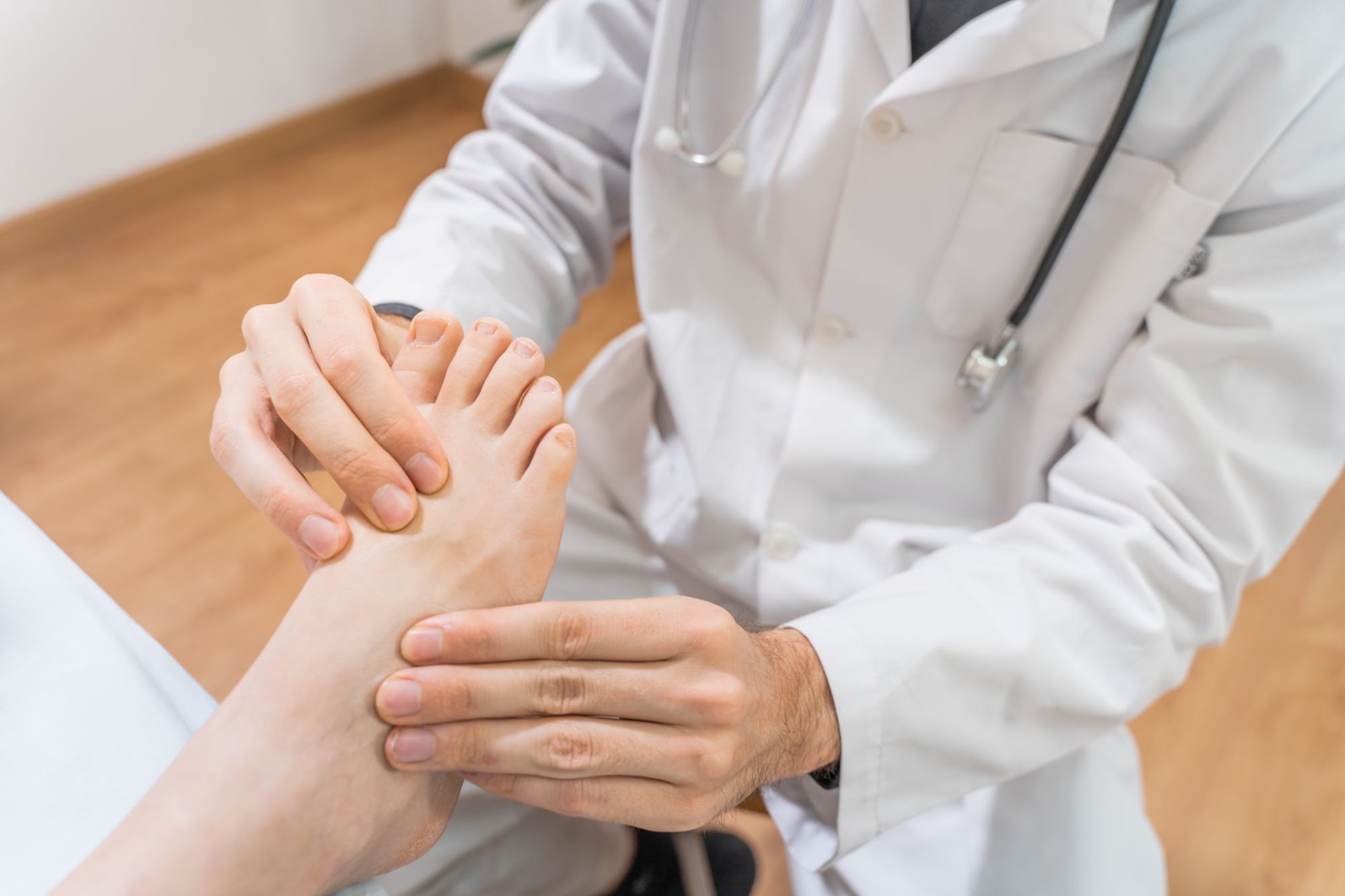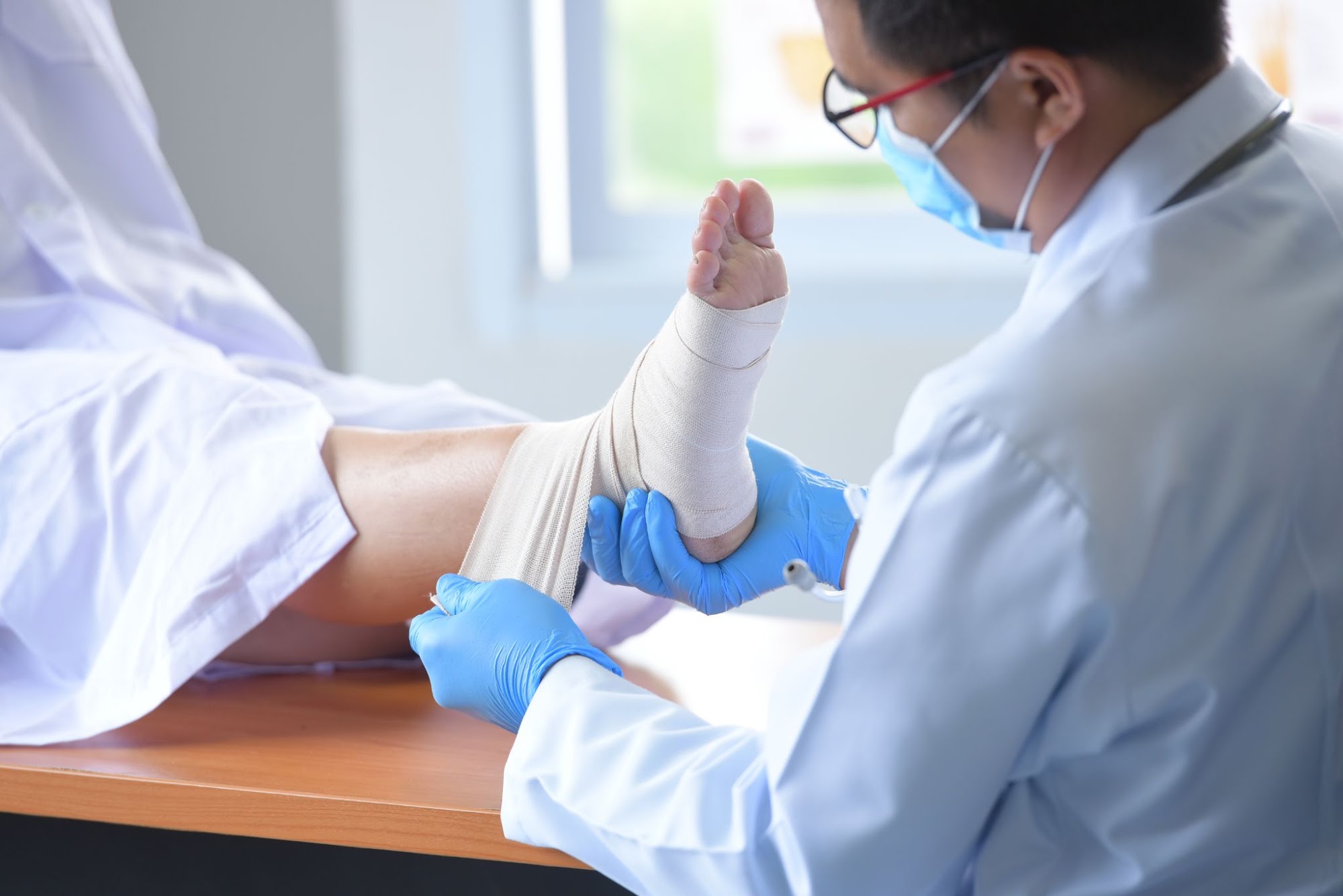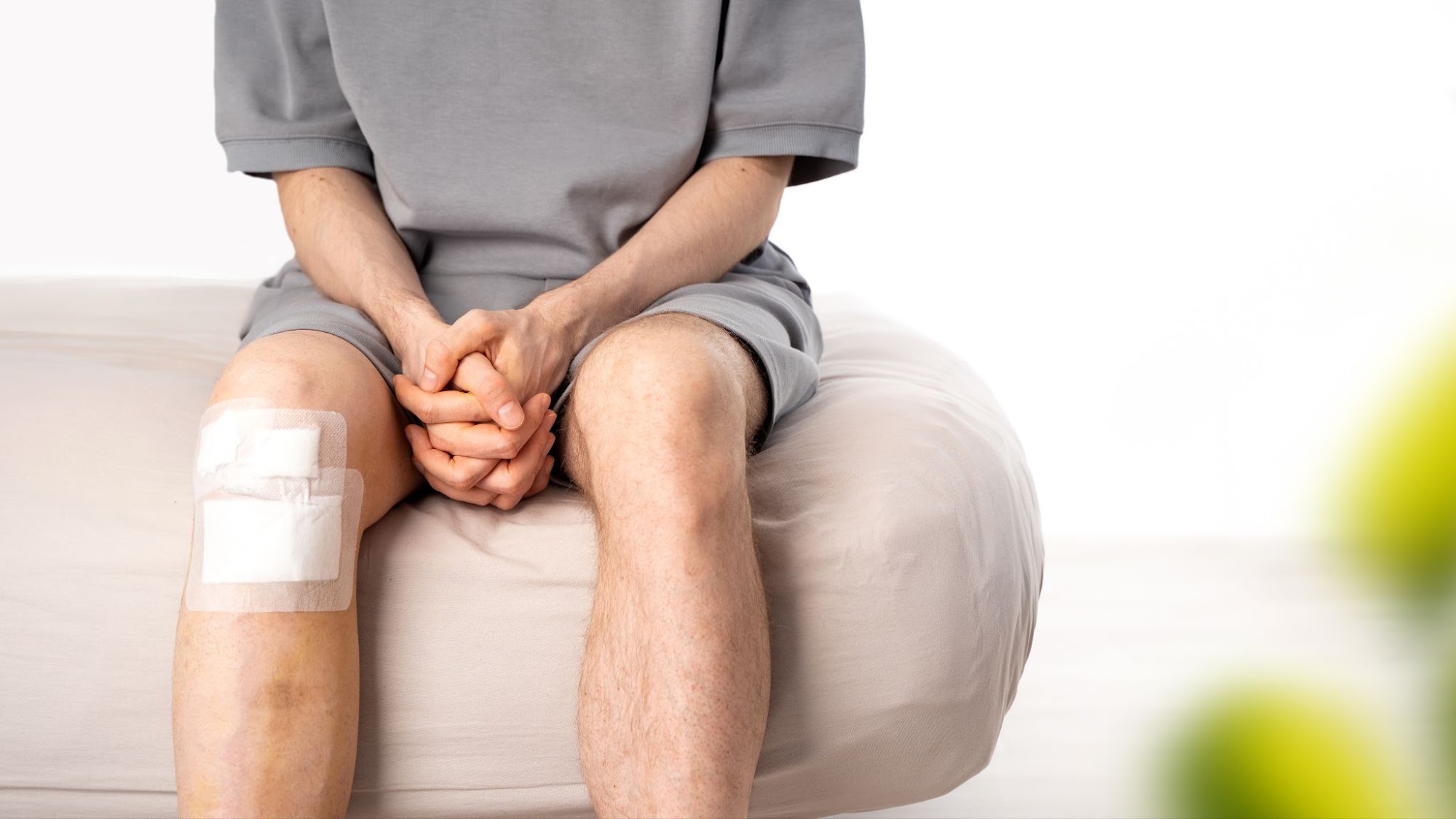
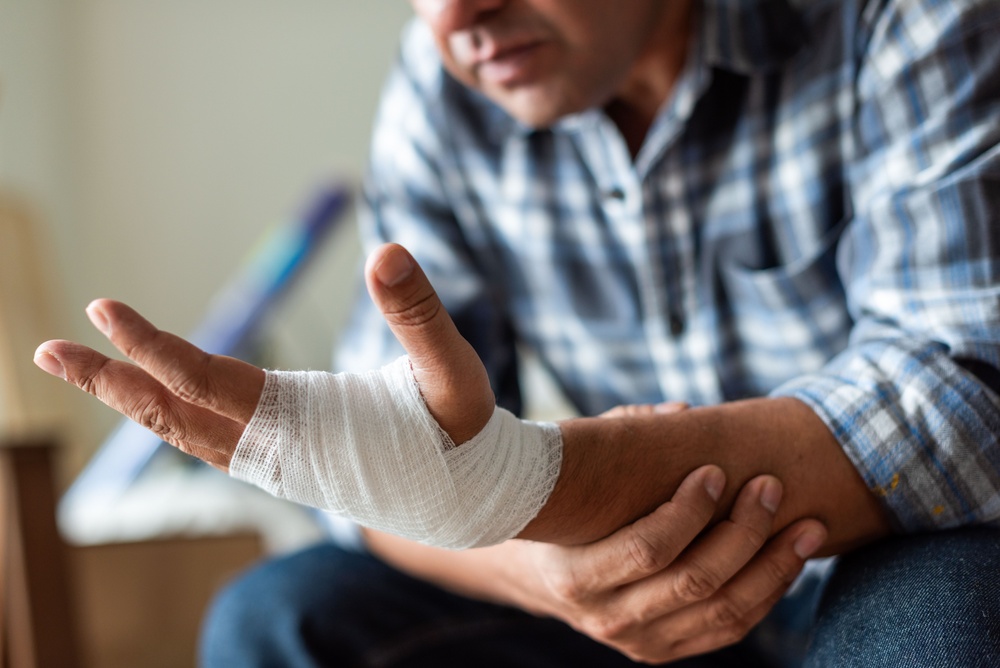
Healing from an injury isn’t just about waiting, it’s about giving your body the right environment to repair itself. While complex medical treatments certainly have their place, mastering the core principles of daily wound care often yields the biggest payoff in your recovery timeline. Since no two injuries heal the same way, pinpointing the exact type of wound you have is essential for setting realistic recovery expectations and avoiding unnecessary delays.
How Long Does it Take for Chronic Wounds to Heal?
Recovery times for chronic wounds vary significantly because underlying health conditions can keep the skin stuck in a prolonged inflammatory phase. While mild complications may resolve in a few months, severe cases often require long-term specialized care:
- Venous Leg Ulcers: 12 to 24 weeks with consistent compression therapy and leg elevation.
- Diabetic Foot Ulcers: 12 to 20 weeks with strict pressure offloading, blood sugar control, and infection management.
- Arterial Ulcers: 16 to 24+ weeks, as healing depends heavily on restoring adequate arterial blood flow to the limb.
- Surgical & Traumatic Wounds: 8 to 16 weeks when systemic conditions or local infections disrupt the normal healing process.
- Pressure Injuries (Bedsores): 2 to 6 weeks for early-stage surface sores, but severe, deep-tissue ulcers can take 6 to 12 months (or longer) to heal completely.
What Are the Symptoms of a Chronic Wound?
Recognizing the early warning signs of a non-healing sore is critical for preventing deep tissue damage, severe infection, and potential loss of mobility. When underlying health issues disrupt the body’s natural repair process, the affected skin exhibits distinct signs of distress rather than typical signs of recovery.
Key symptoms of a chronic wound include:
- Stalled Healing Progress: A sore or ulcer showing little to no size reduction, scab formation, or margin closure after a month.
- Persistent or Increasing Pain: Unexpected, continuous, or worsening tenderness and throbbing around the affected site.
- Chronic Redness & Swelling: Persistent inflammation, localized heat to the touch, or tightness expanding around the wound perimeter.
- Tissue Discoloration: Surrounding skin turning dark brown, purple, or black (necrosis), or the presence of yellowish, stringy dead tissue (slough) inside the wound bed.
- Foul Odor & Abnormal Drainage: Unpleasant smells emanating from the site, or thick, cloudy, green, or yellow fluid leaking continuously.
- Signs of Spreading Infection: Red streaks fanning outward from the sore, increased tenderness, or systemic symptoms like fever and chills.
Think you may have a chronic wound? Take our Wound Self-Assessment Quiz to help determine if your wound requires professional care.
Best Practices for Healing Chronic Wounds
Proper chronic wound care requires a strategic approach that combines advanced medical therapies with daily self-care habits. Consistently applying clinical best practices speeds recovery, protects vulnerable tissue, and significantly lowers the risk of severe infections or hospitalizations.
Key best practices for healing chronic wounds include:
- Maintain Proper Moisture Balance: Keep the wound bed moist, never bone-dry or overly saturated, using specialized dressings to promote faster cell growth and tissue regeneration.
- Offload Pressure and Restrict Motion: Keep weight and friction off the affected area by using specialized footwear, cushions, or mobility aids to prevent repeated tissue damage.
- Keep the Site Clean and Protected: Cleanse the area gently with saline or prescribed cleansers during every dressing change, avoiding harsh chemical antiseptics like rubbing alcohol or hydrogen peroxide.
- Optimize Daily Nutrition and Hydration: Eat a diet rich in lean protein, vitamin C, zinc, and fluids to provide the building blocks your body needs to rebuild tissue.
- Manage Underlying Health Conditions: Work with your doctor to control blood sugar levels, improve vascular circulation, and avoid smoking, as all of these directly impact blood flow to the wound.
- Partner with Advanced Care Specialists: Consult dedicated wound specialists early for targeted therapies like debridement, specialized compression, or hyperbaric oxygen treatments to restart stalled healing.
Does Elevating Your Legs Help Chronic Wounds Heal Quicker?
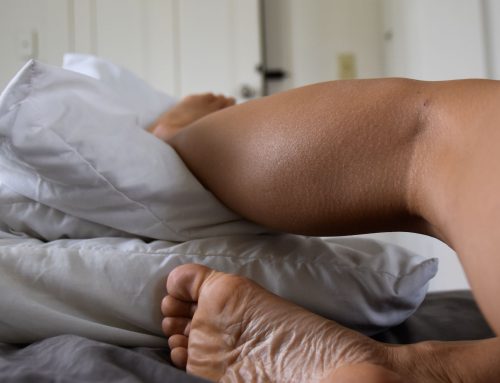
Elevating your legs can significantly speed up chronic wound healing, but its effectiveness depends entirely on the underlying cause of the wound.
Raising your legs above heart level relies on gravity to improve fluid dynamics in the lower extremities. However, while it can help certain circulatory conditions, it can harm others.
When Leg Elevation Helps Chronic Wounds
Leg elevation is most effective for venous ulcers and wounds caused by chronic venous insufficiency or edema (swelling).
- Reduces Swelling: Gravity draws fluid pooling in the lower legs back toward the heart, relieving pressure on the tissue around the wound.
- Improves Oxygen Delivery: High pressure from fluid buildup constricts small blood vessels. Reducing edema allows fresh, oxygen-rich blood and nutrients to reach the wound bed to regenerate tissue.
- Relieves Tissue Strain: Minimizing swelling prevents further skin breakdown and lowers the risk of spreading infections.
When Leg Elevation Can Be Harmful
Leg elevation is not recommended for wounds caused by Peripheral Artery Disease (PAD) or severe arterial blockages.
Arterial ulcers occur when the arteries are too narrow to deliver enough oxygenated blood to the feet. Elevating the legs forces arterial blood to fight against gravity, further reducing tissue oxygenation and potentially worsening the wound.
Signs It’s Time to Seek Advanced Wound Care
Knowing when to escalate your care to a dedicated wound specialist can mean the difference between a smooth recovery and severe, long-term complications. While minor cuts and scrapes heal naturally with standard first aid, non-healing sores often indicate underlying circulatory, neuropathic, or metabolic issues that primary care methods alone cannot resolve. Seeking specialized medical intervention early ensures targeted treatments that restart stalled healing and protect against systemic infection.
You should consult a wound specialist if you experience any of the following:
- No Progress After 30 Days: A sore, ulcer, or surgical incision shows no measurable reduction in size or tissue closure after four weeks.
- Signs of Active Infection: Increasing redness, warmth, throbbing pain, foul odor, or cloudy, discolored drainage emerging from the site.
- Presence of Dead Tissue: The wound bed contains yellowish, stringy material (slough) or dark brown to black, hardened tissue (eschar).
- Underlying High-Risk Health Conditions: You have diabetes, poor circulation, peripheral artery disease (PAD), or a compromised immune system alongside any skin breakdown.
- Recurrent or Reopening Wounds: A previously healed ulcer breaks down again in the same location, pointing to unaddressed mechanical pressure or circulatory failure.
Expert Chronic Wound Treatment with Innovative Wound Care
Achieve faster, safer healing with expert support from Innovative Wound Care. Our specialists carefully assess your condition, cross-reference your medical history, and tailor advanced therapies to fit your lifestyle and mobility. From proper dressing application to personalized recovery plans, we guide you through every stage of healing. Reach out today to schedule your consultation and take the first step toward lasting relief.
Chronic Wound Healing FAQ
How long does it take for a chronic wound to heal?
Unlike standard cuts or scrapes, chronic wounds can take 4 to 12+ weeks to heal. The exact duration depends heavily on the root vascular or medical cause:
- Venous Leg Ulcers: Typically close within 3 to 6 months when treated with elevation and gradient compression.
- Diabetic Foot Ulcers: Typically take about 3 to 5 months, provided glucose levels remain stable and weight-bearing pressure is completely removed from the area.
- Pressure Injuries: Surface-level sores can resolve in 2 to 6 weeks, whereas deep or severe stage-4 tissue damage can demand anywhere from 3 months to a full year of specialized care.
Is a wound chronic after four weeks?
Not always. Definitions differ across clinical sources. One patient-information source describes a chronic wound as one that has not started to heal after 4 to 12 weeks of treatment, while another clinical review uses a three-month functional-repair definition. A wound that is not improving should be evaluated based on its cause, appearance, circulation, and overall health context.
Why can a chronic wound take months to heal?
Chronic wounds can take longer to heal when factors such as impaired blood flow, diabetes, infection, pressure, swelling, wound depth, or nonhealing tissue interfere with the normal repair process. The treatment plan must match the wound type; no single treatment fits all chronic wounds.
Does elevating your legs help a chronic wound heal?
Leg elevation may be recommended as part of care for some lower-leg wounds related to venous insufficiency and swelling. It is not a universal treatment for chronic wounds. A clinician should first identify the wound type and assess circulation before recommending treatments such as elevation or compression.
When should I contact a wound care specialist?
Contact a qualified healthcare professional promptly if a wound is getting larger, is not improving with appropriate care, or has worsening drainage, odor, redness, warmth, pain, or fever. A clinician can determine whether infection, circulation, pressure, diabetes, or another issue is delaying healing.